Announcing Broadband, Housing, and Infrastructure Investment Across Churchill–Keewatinook Aski
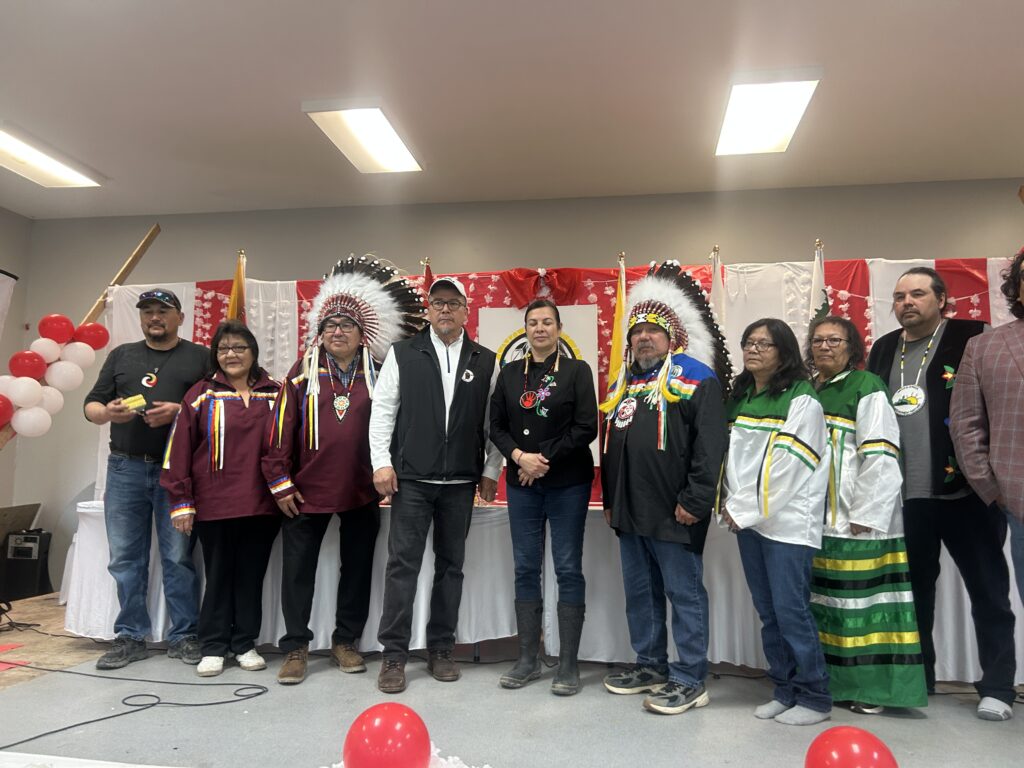
On May 14, 2026, I stood in Wasagamack Anisininew Nation — deep in the Island Lakes region of northern Manitoba — and made an announcement that the people of this community have been waiting a long time to hear.
The Government of Canada is investing $205,148,164 in vital infrastructure, housing, and connectivity across rural and northern Manitoba. And for the communities of Churchill–Keewatinook Aski, this investment is not abstract. It is life-changing.
I was joined by Grand Chief Alex McDougall of the Anisininew Okimawin Grand Council and Chief Walter Harper of Wasagamack Anisininew Nation — two leaders whose communities have carried these priorities for years, long before any government was listening closely enough to act.
Bringing the Internet to the Island Lakes — and Beyond
The centrepiece of this announcement for CKA is a landmark investment in high-speed broadband connectivity through the Universal Broadband Fund. The total investment of $49,700,612 will bring reliable, high-speed internet to Wasagamack Anisininew Nation and its neighbouring communities — Garden Hill, St. Theresa Point, and Red Sucker Lake. These are four Anisininew Nations that form the heart of the Island Lakes region — communities where students have struggled to attend online classes, where families have been unable to access telehealth services, and where small businesses have been shut out of the digital economy entirely.
Additional broadband funding was announced for Mosakahiken Cree Nation ($5.8M), York Factory First Nation ($3.4M), and Grand Rapids / Misipawistik Cree Nation ($2.19M).
In total, across Manitoba, this broadband investment will connect more than 10,000 households in over 50 communities — including more than 4,000 Indigenous households — to reliable, affordable high-speed connectivity. This is part of Canada’s commitment to connect 98% of Canadian households to high-speed internet by the end of 2026.
Let me be direct about what this means in practice. When a student in Wasagamack can attend a virtual class without their connection dropping, they stay in school longer. When an Elder in Garden Hill can video call their doctor without driving hours to a clinic, they get care sooner. When a young entrepreneur in St. Theresa Point can run an online business, they build a future right here at home. Broadband connectivity is not a luxury. It is infrastructure — as fundamental as roads and running water.