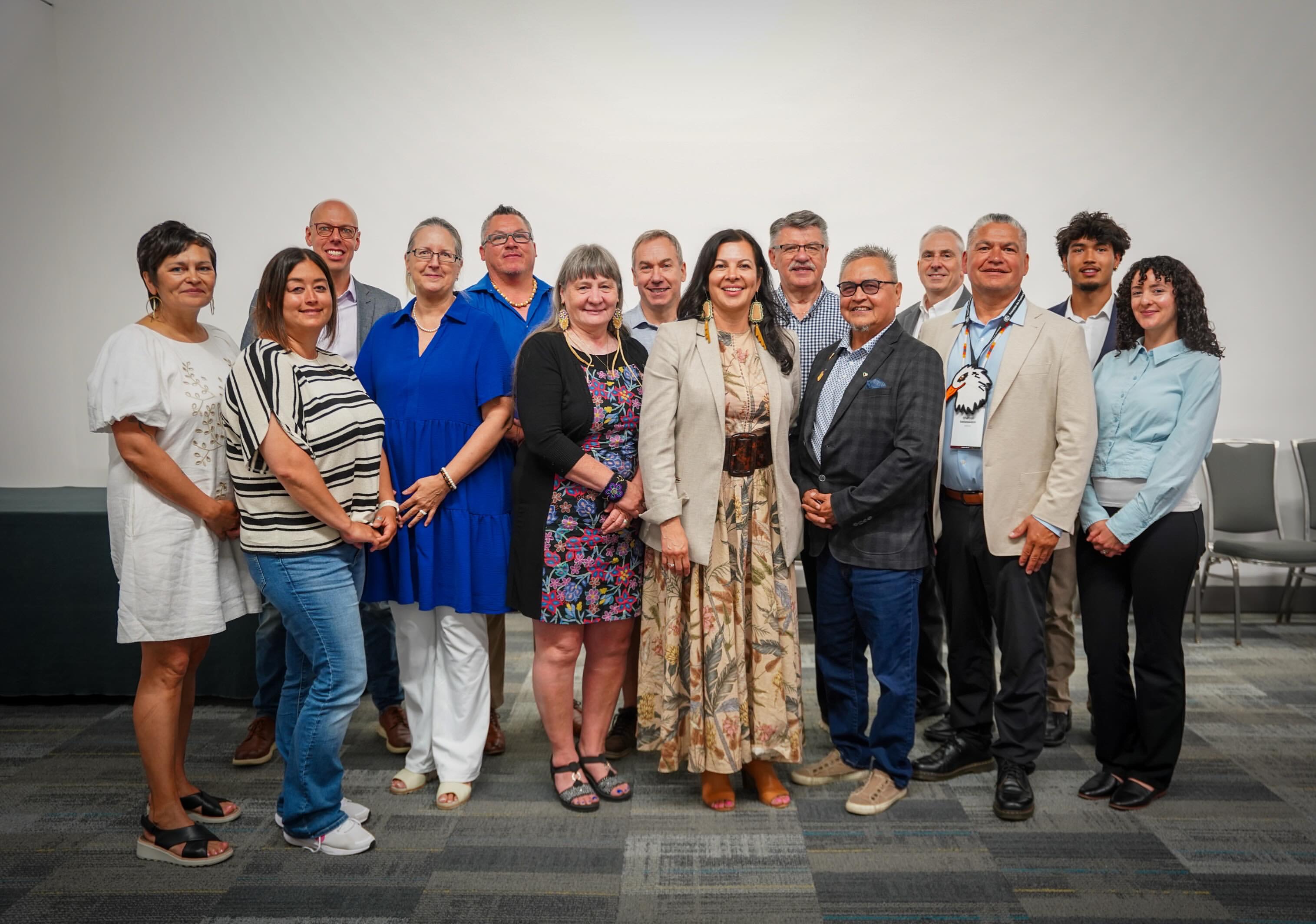
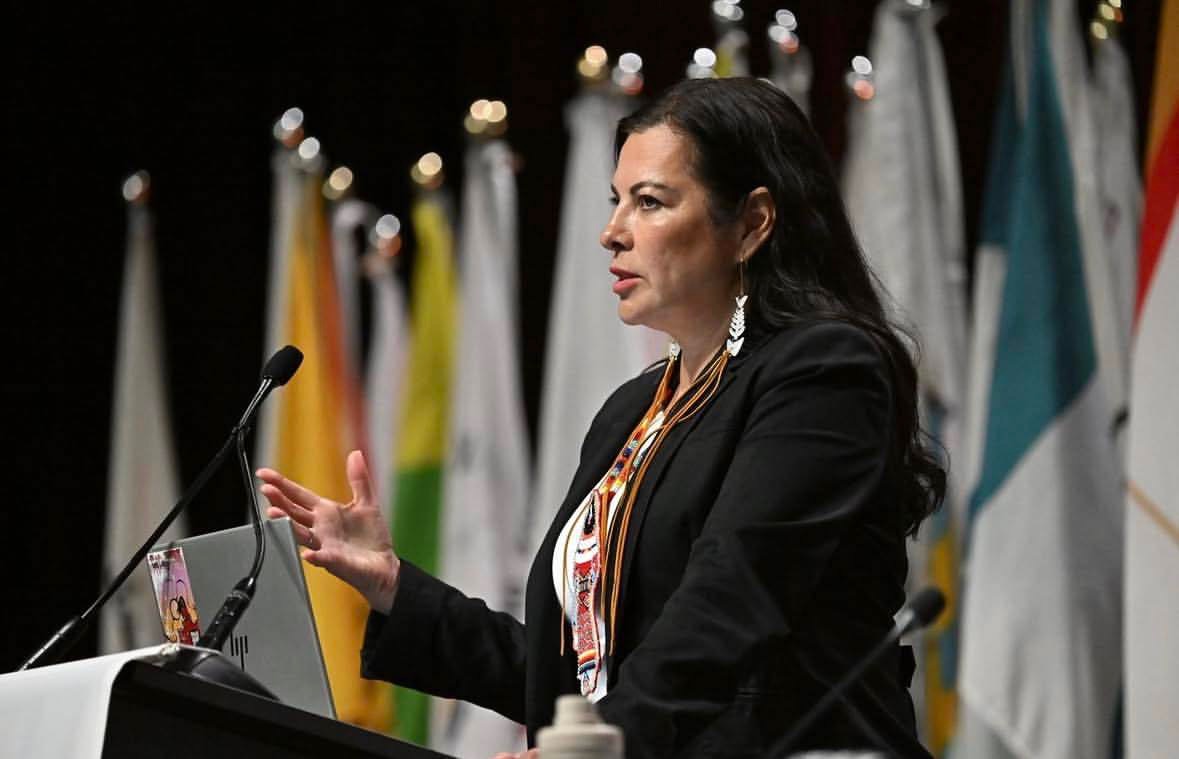
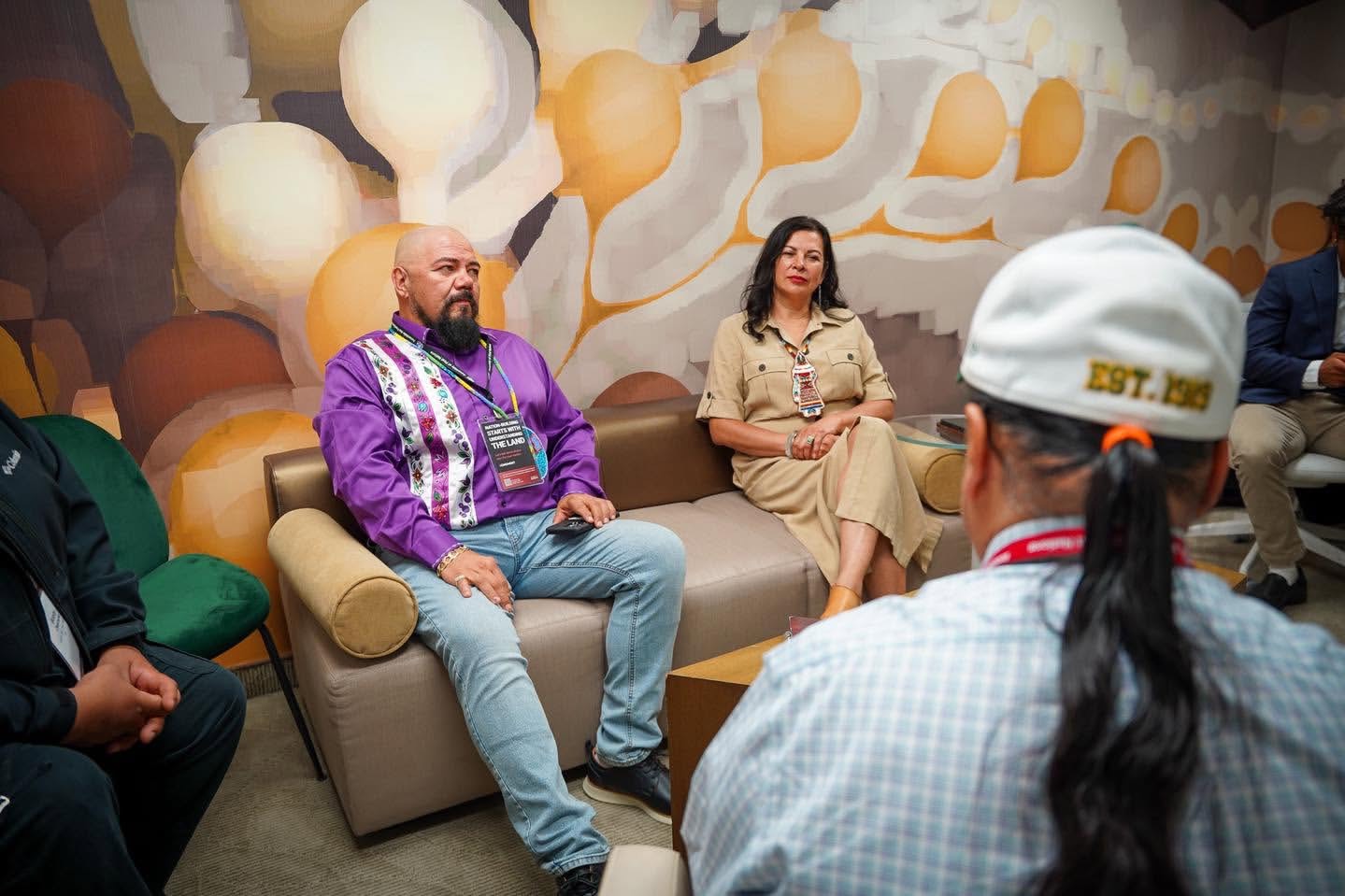
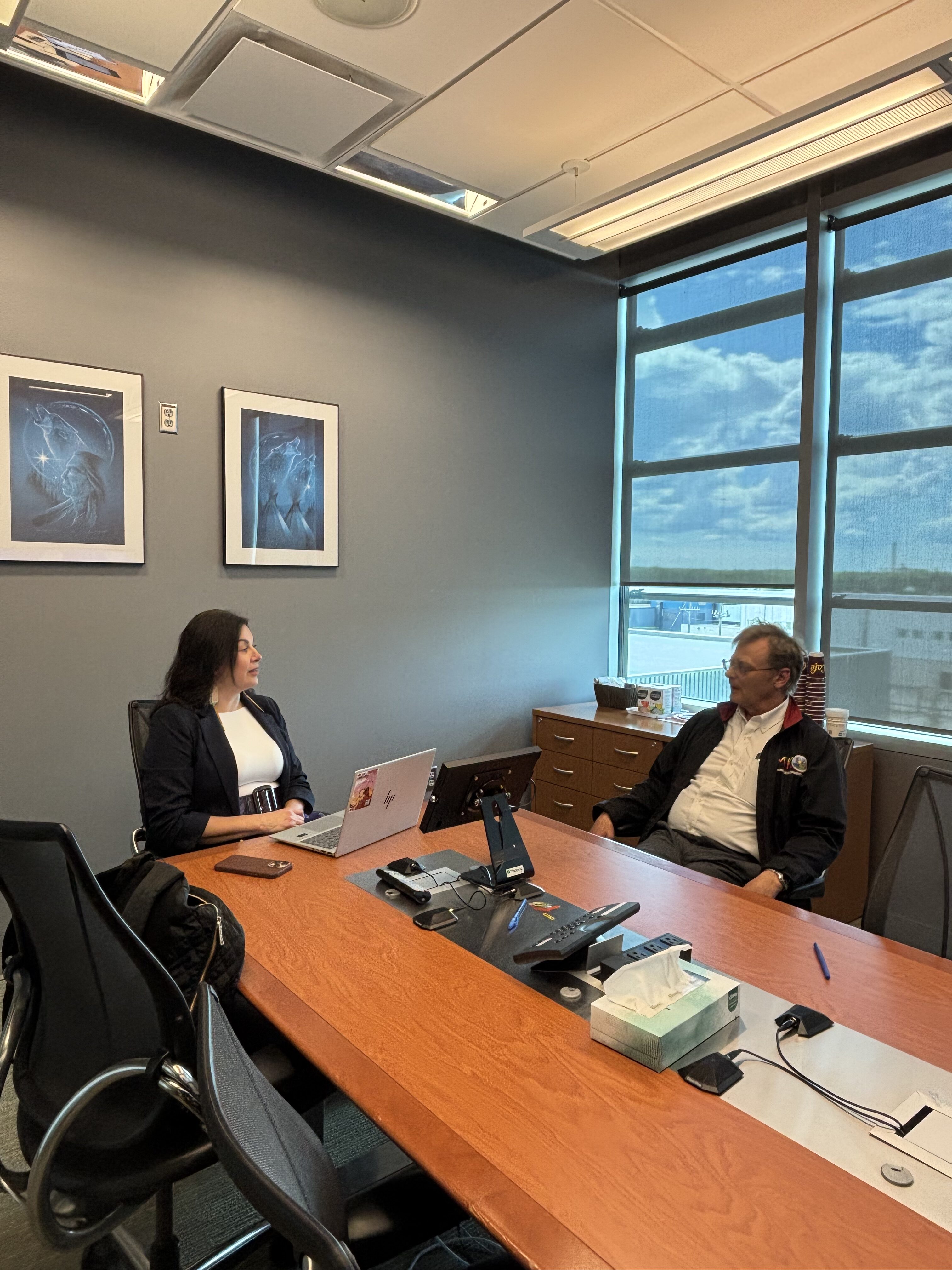
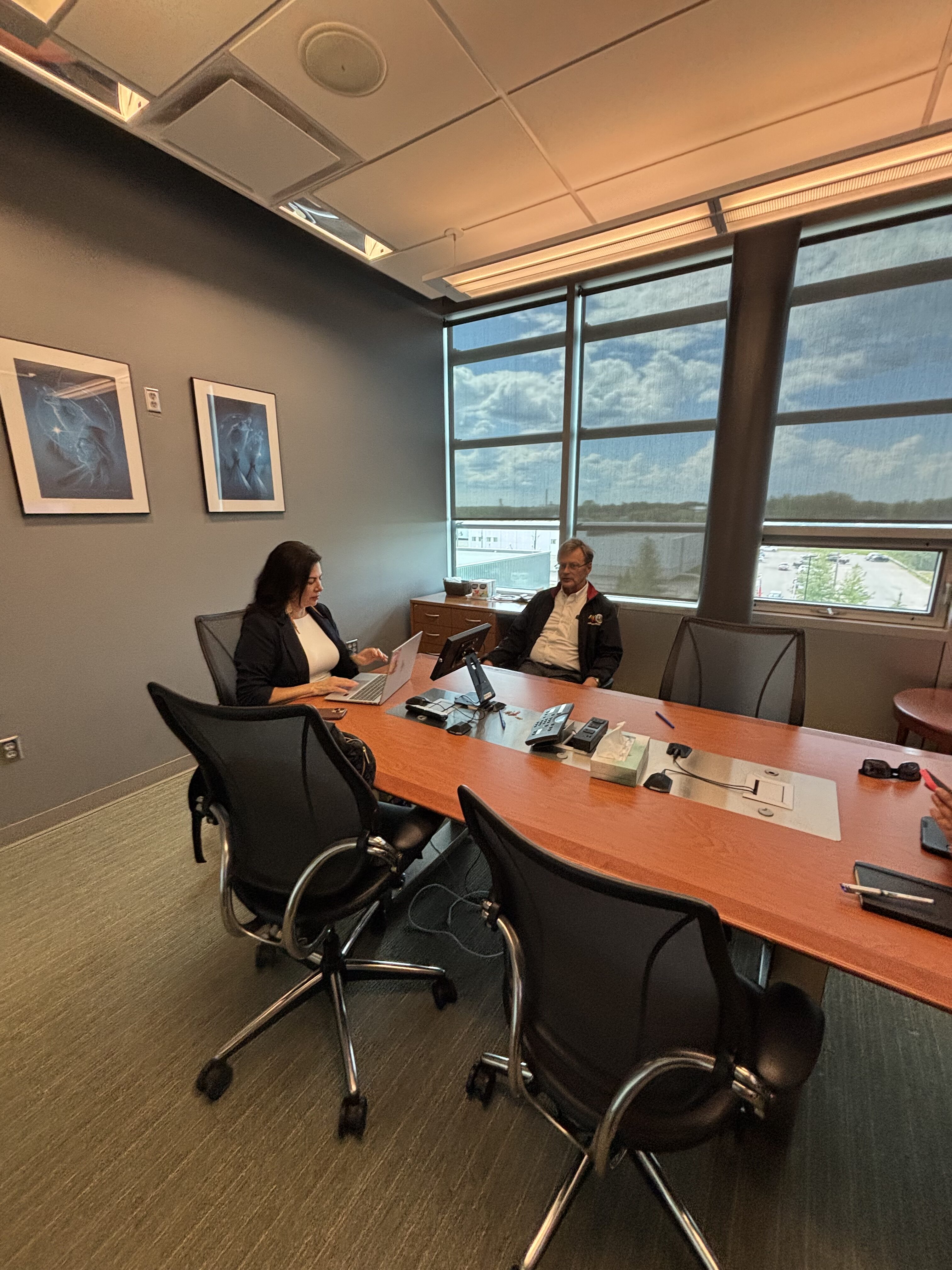
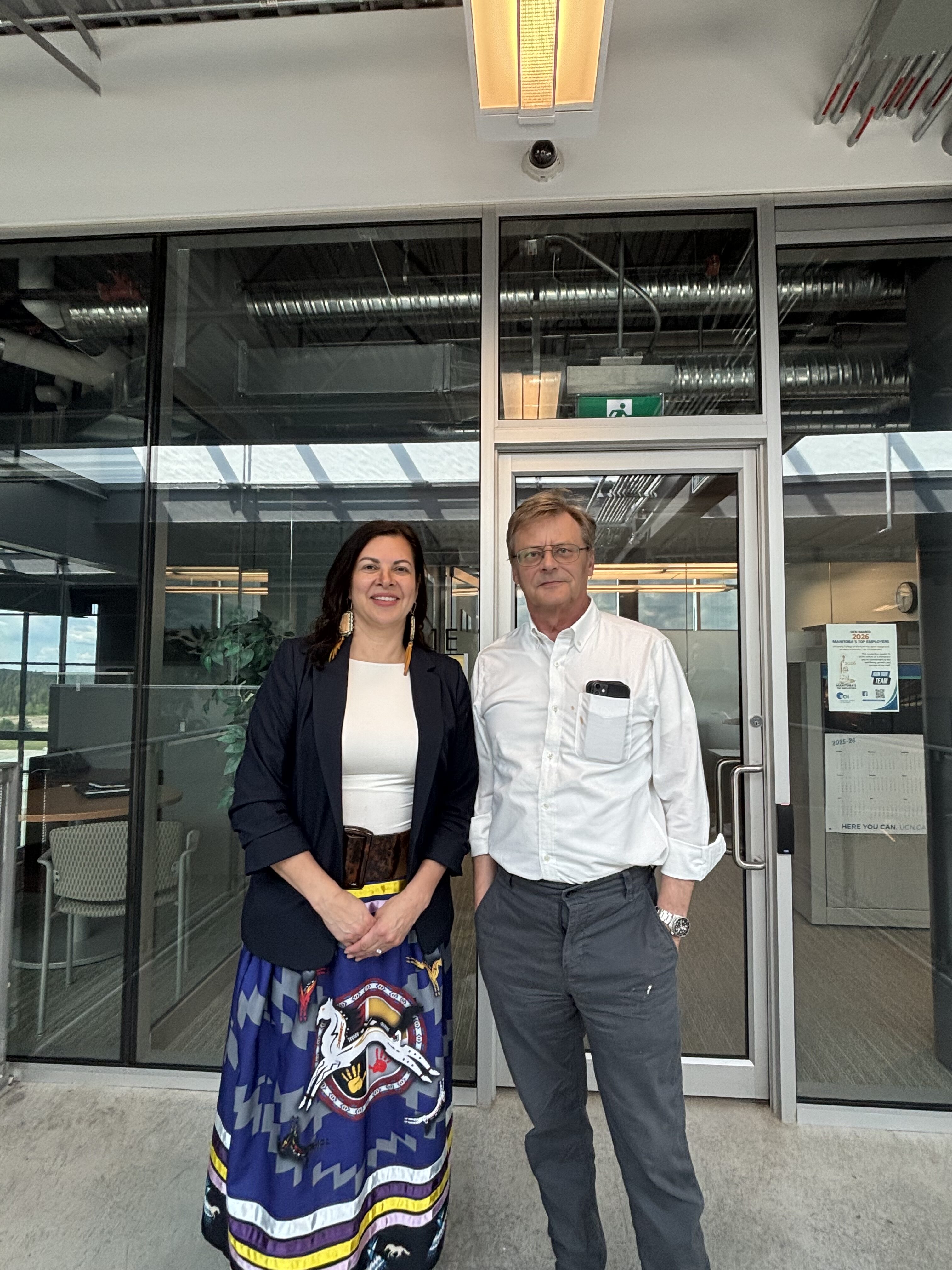
At this year’s AFN Annual General Assembly, I had the opportunity to sit down with the National Aboriginal Capital Corporations Association — NACCA — to talk about something I believe in deeply: the future of Indigenous business in Canada.
The numbers are remarkable. Indigenous entrepreneurs are starting businesses at the fastest rate in the country. Indigenous-owned companies are already hiring locally, investing in their communities, and driving economic growth across the North, the Arctic, and right across Canada.
And yet the federal procurement system — the billions of dollars the Government of Canada spends every year on goods and services — has historically not reflected that reality. Indigenous businesses have been underrepresented in federal contracting for decades, despite the quality, the capacity, and the growing scale of the Indigenous business sector.
That is changing. And NACCA is at the centre of that change — providing the capital, the technical support, and the advocacy that Indigenous entrepreneurs need to compete for federal contracts and grow their enterprises.
My conversation with NACCA at the AGA reinforced for me that economic reconciliation is not just a values statement. It is a procurement policy. It is a contracting decision. It is a choice that governments make every single day about who builds our infrastructure, who delivers our services, and who benefits from the economic activity that federal spending generates.
For communities in Churchill–Keewatinook Aski — where Indigenous entrepreneurship is growing and where the economic potential of the North is extraordinary — this conversation is directly relevant. I am committed to advocating for expanded Indigenous business access to federal procurement, and to ensuring that the economic growth happening in and around this riding stays in this riding.
The future of AI in the North will be built by the North.
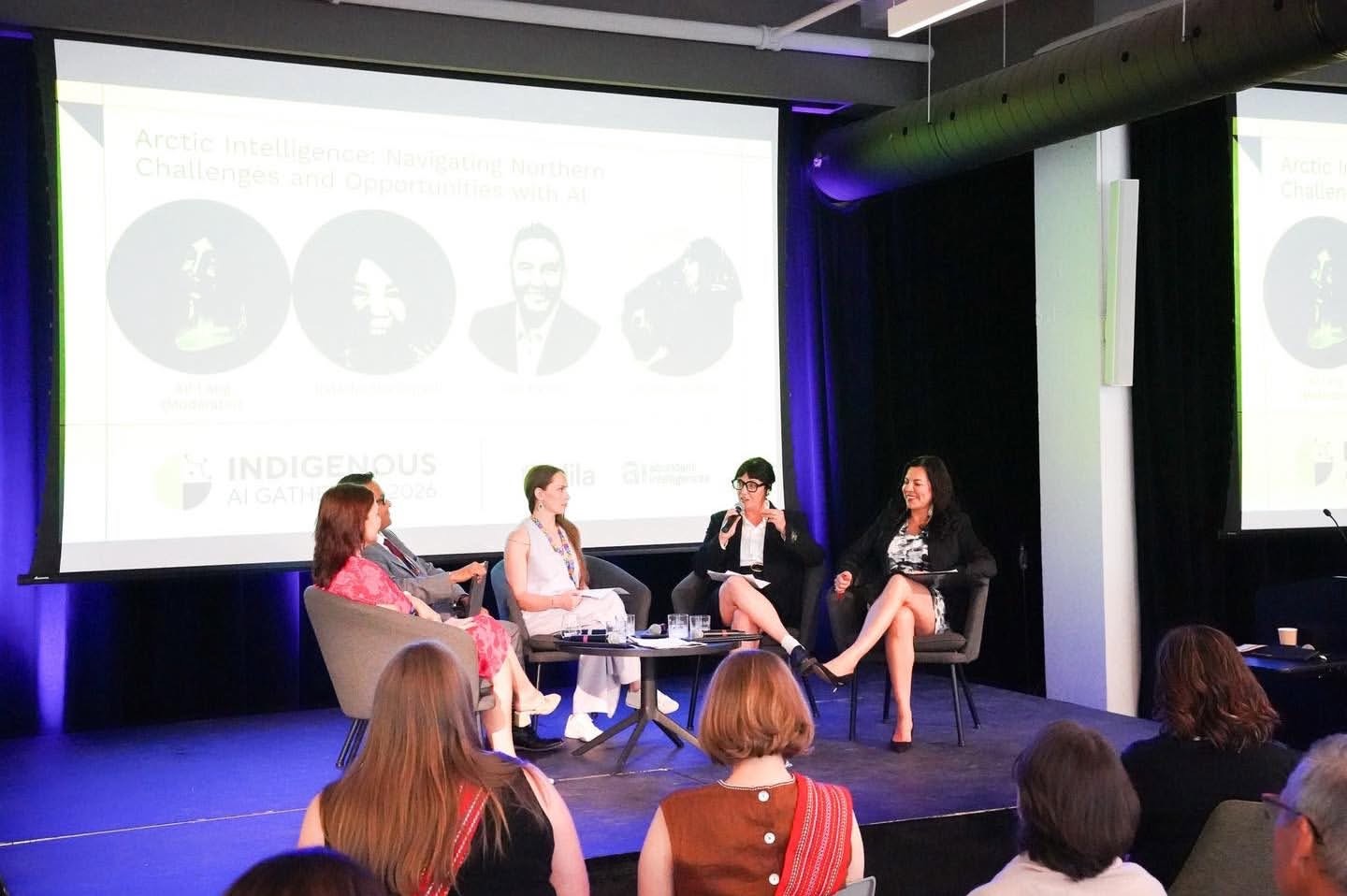
This summer I joined the 2026 Indigenous AI Gathering at Mila — the Quebec Artificial Intelligence Institute — in partnership with Abundant Intelligences, for a conversation on Arctic intelligence and what “AI for All” truly means for northern and Indigenous communities.
Let me be direct about why this matters. Artificial intelligence is already reshaping healthcare, education, economic development, and public services across Canada. And if Indigenous communities are not at the table as that technology is designed, trained, and deployed — then the history of top-down systems being built about Indigenous peoples without Indigenous peoples will repeat itself in digital form.
Indigenous communities must have a voice and agency in shaping this technology. The best solutions — in healthcare access, language revitalisation, environmental monitoring, and economic development — are the ones built collaboratively. They come from the people who live and work in the North. Those who know the land, the water, the languages, and the cultures.
We are building on efforts already underway: the Indigenous Languages Program at Canadian Heritage, the Indigenous Languages Technology Program at the National Research Council, and First Languages AI Reality at Mila. These programmes demonstrate that when Indigenous knowledge is centred in technological development, the results are stronger, more relevant, and more lasting.
Thompson’s gateway to the world is getting a major upgrade — and it is long overdue.
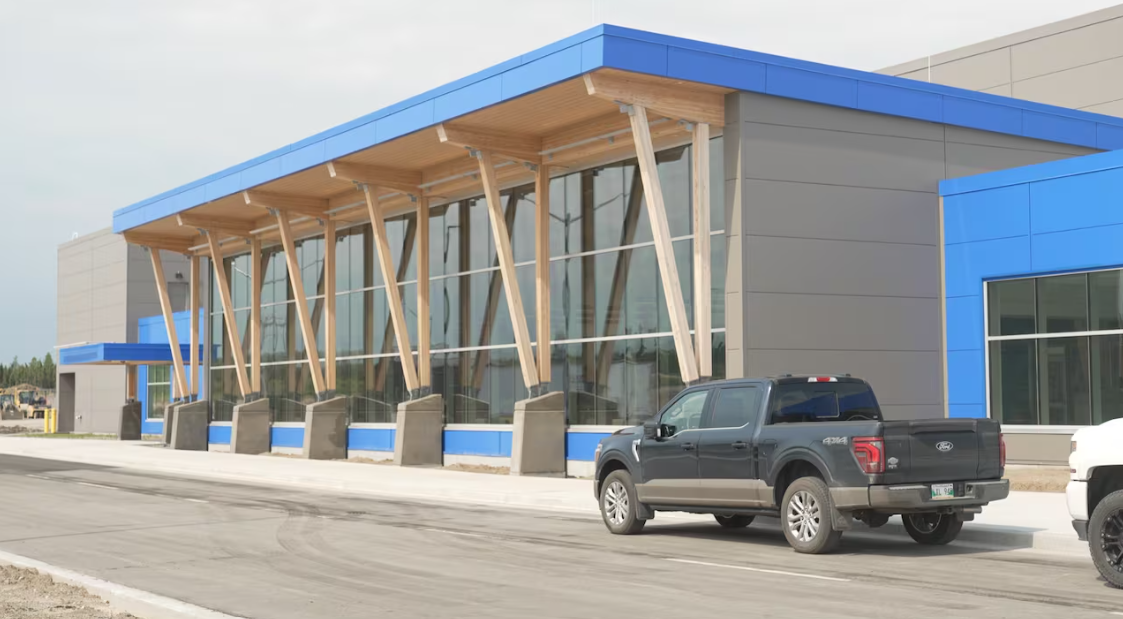
Thompson Regional Airport’s new terminal is nearing completion, with a public opening targeted for late August 2026. This $135 million redevelopment includes a $30 million federal investment through the Airports Capital Assistance Program — funding a new apron, taxiways, and drainage and electrical systems.
This is more than a building. It is an investment in the safety, connectivity, and economic future of Thompson and the surrounding region.
Thompson Regional Airport is one of the most important pieces of infrastructure in northern Manitoba. It is the hub through which people travel to and from dozens of remote and fly-in communities. It is the port of entry for medical evacuations, supply chains, and the workers and visitors who sustain the northern economy. An airport that is safe, modern, and capable of handling the volume and complexity of northern air traffic is foundational to everything else this region is building.
The federal government’s investment through the Airports Capital Assistance Programme reflects an understanding of that reality — and I am proud that this funding was secured for Thompson.
Congratulations to the Thompson Regional Airport Authority and to everyone who worked to bring this project to fruition. The North deserves world-class infrastructure. This terminal is proof that it is possible.
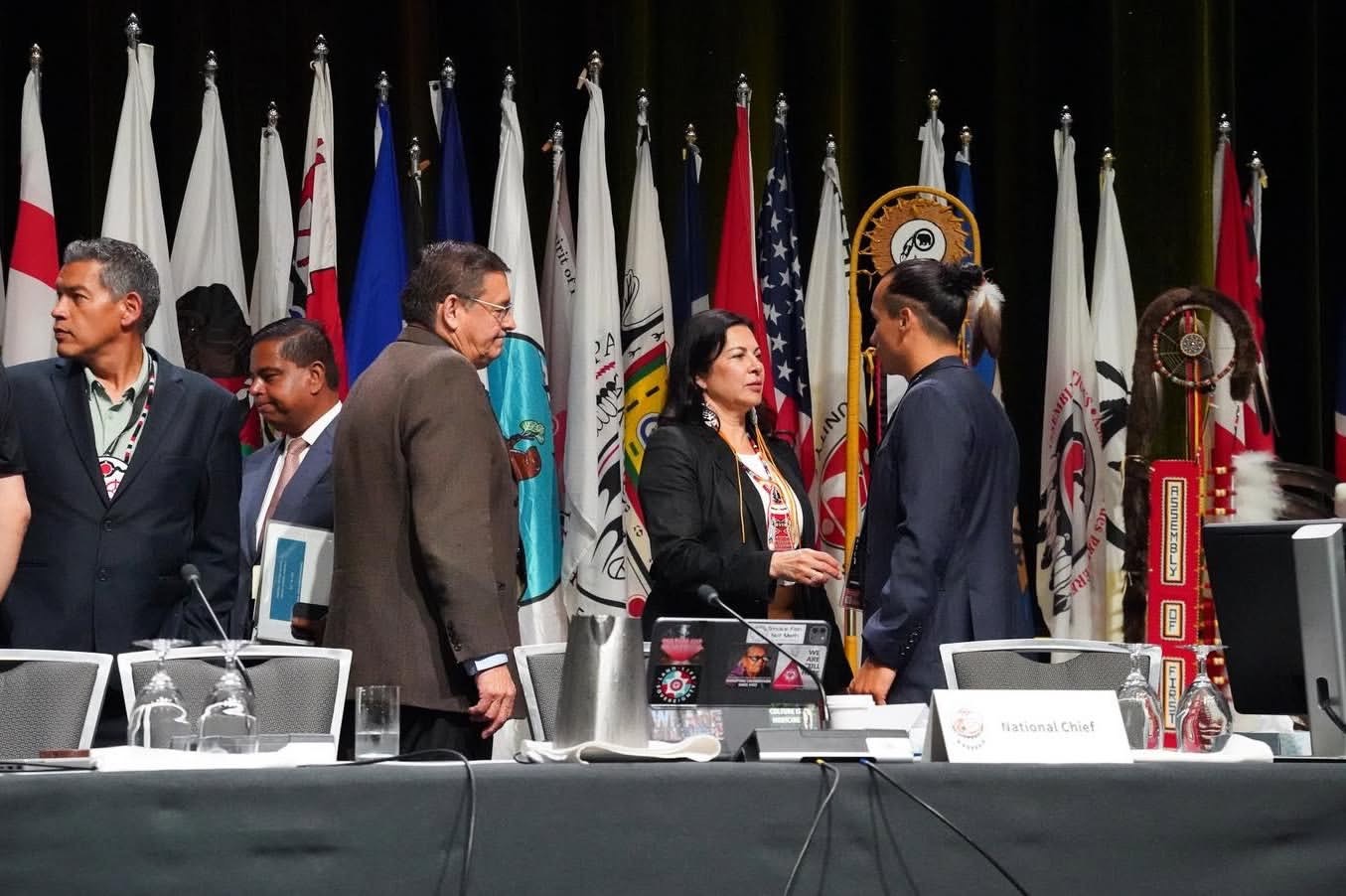
This summer, Ottawa was host to the Assembly of First Nations Annual General Assembly — and I was honoured to be in the room.
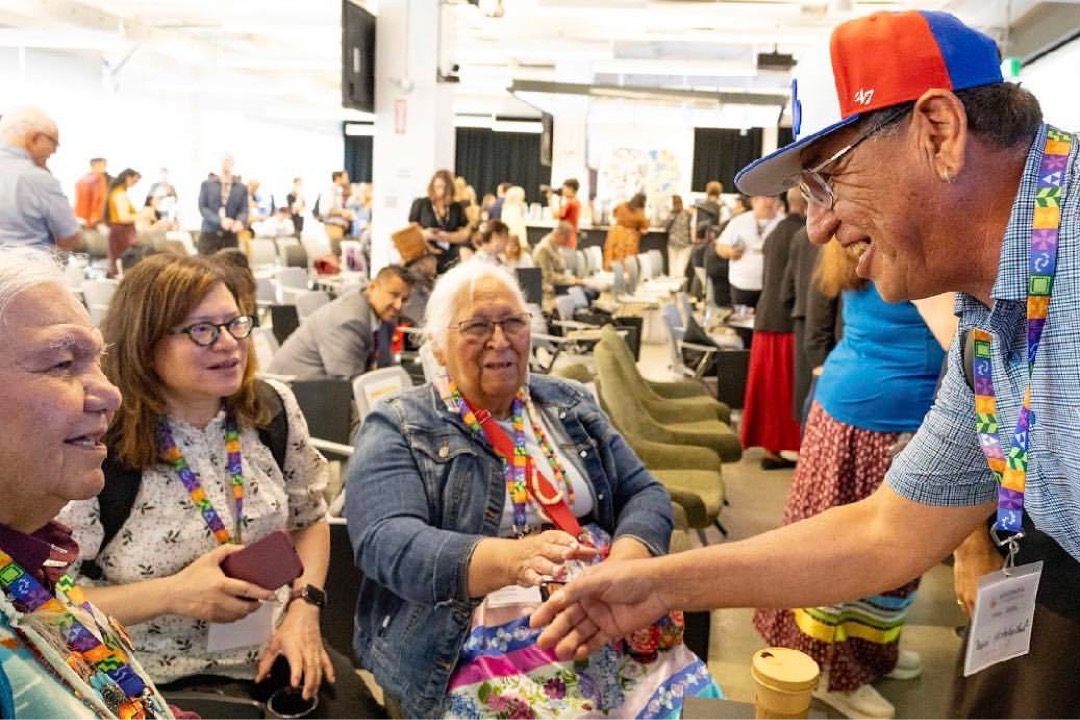
I joined colleagues Minister Gull-Masty, Minister Anandasangaree, and Secretary of State Belanger at the AFN AGA ministerial panel to listen to First Nations leaders from coast to coast to coast. I am grateful to National Chief Cindy Woodhouse Nepinak for her leadership, and to the grand chiefs, chiefs, councillors, Elders, youth, and community members who gathered in Ottawa this year.
I want to especially recognise two Manitoba leaders who rose to the mic: Chief David Monias of Pimicikamak Cree Nation, and Brennan Manoakeesick, Director of Intergovernmental Affairs at Manitoba Keewatinowi Okimakanak. Both spoke with clarity, conviction, and authority on behalf of their communities — and I am proud that Manitoba’s northern First Nations were heard at the national table.
One of the most significant conversations at the AGA centred on food sovereignty and northern food systems. We talked about strengthening Nutrition North Canada and heard that the Harvesters Support Grant, Food Security Research Grant, and Community Food programmes are succeeding — precisely because they are rooted in local traditions and knowledge systems. That is the model. Federal programmes that are built with Indigenous communities, not handed to them.
For generations, First Nations, Inuit, and Métis people have cared for these lands. That truth should shape every decision we make about the future of the North. The AFN AGA is one of the most important forums in Canada for holding governments accountable to that principle — and I left Ottawa more committed than ever to carrying northern Manitoba’s voice into every federal conversation.
New leadership brings new energy — and new opportunity to build the relationships that make a real difference for communities.
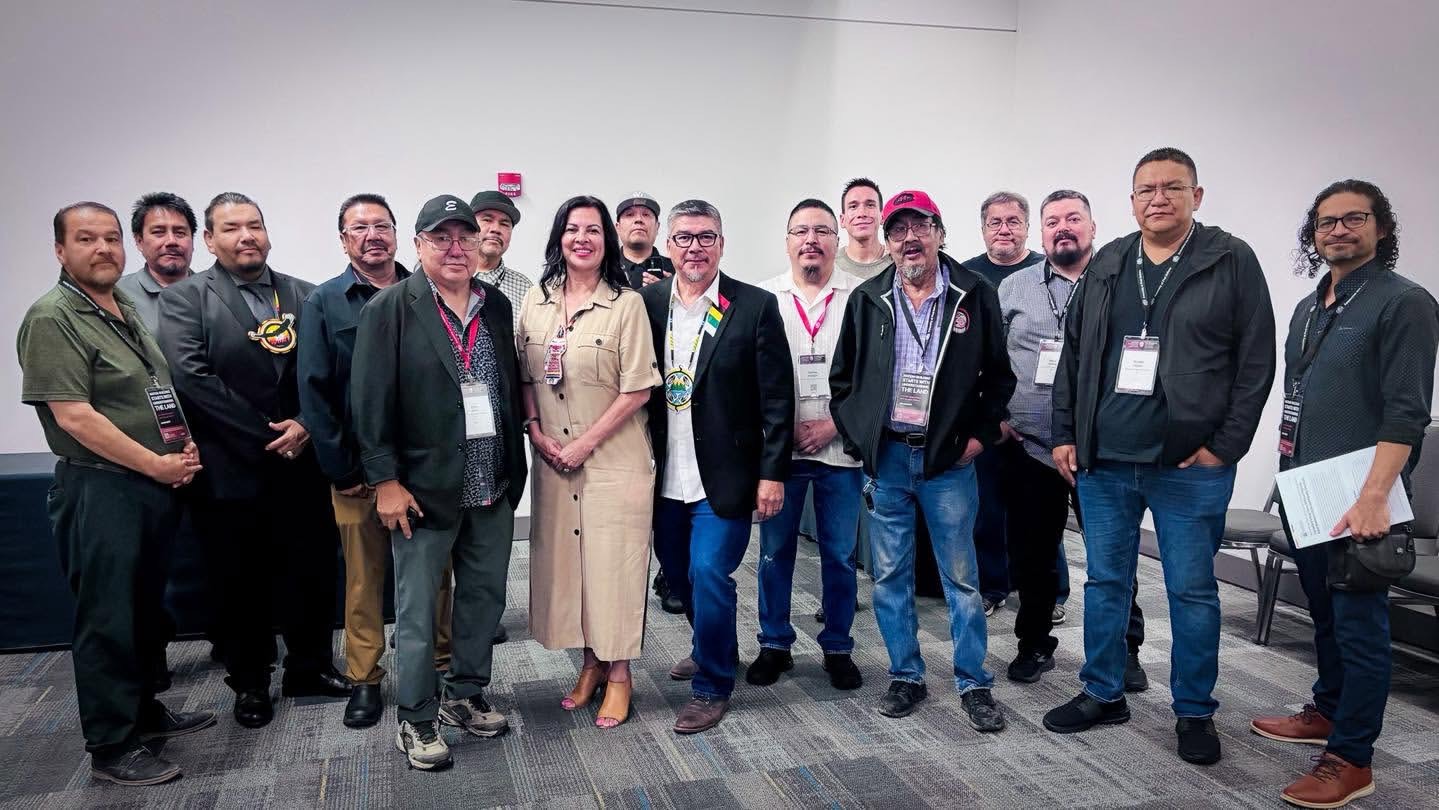
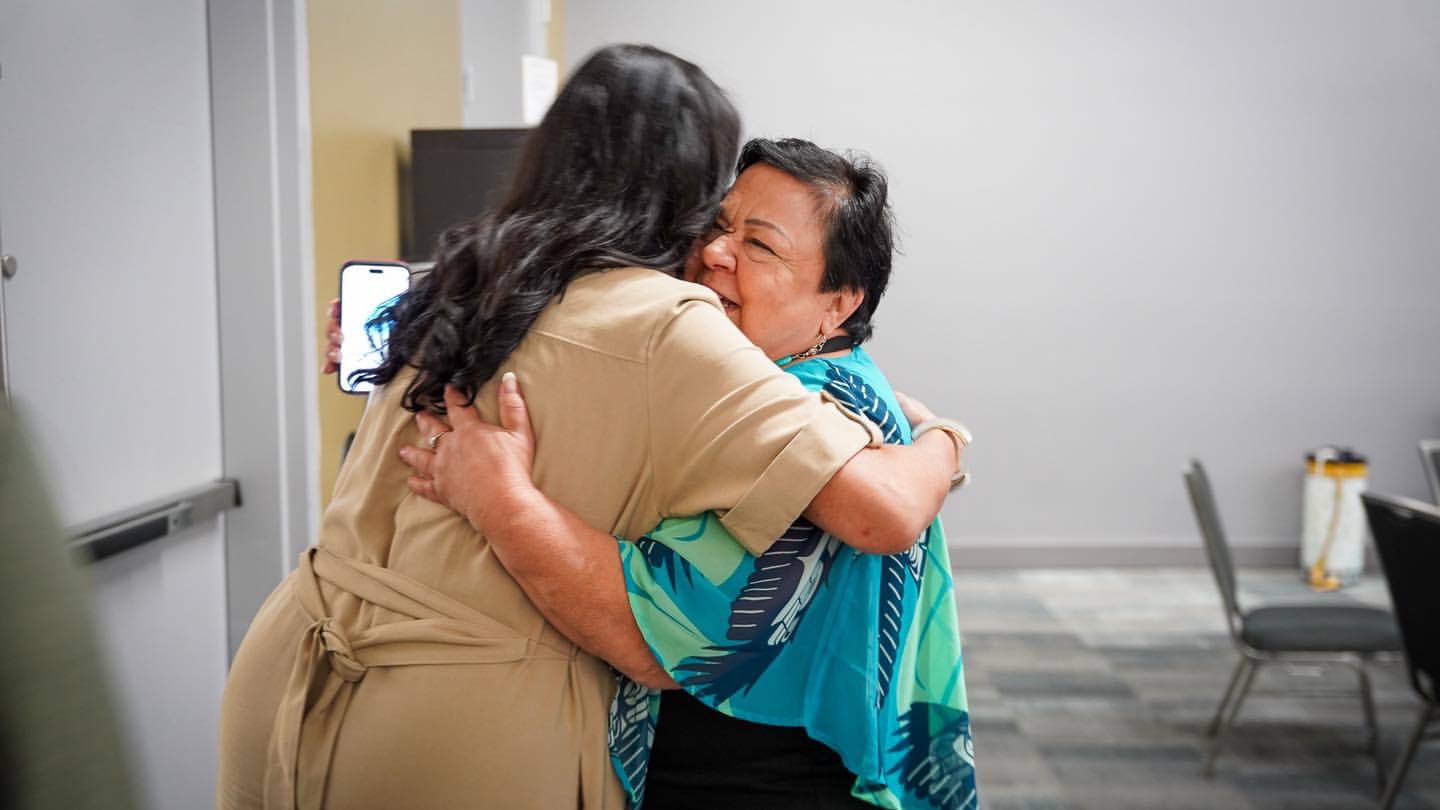
It was a privilege to sit down with Wasagamack First Nation’s newest Chief and Council while in Ottawa this summer — followed by a meeting with leaders from the broader Anisininew Okimawin Nations to discuss shared priorities, strengthening services, supporting community needs, and creating economic opportunities.
Wasagamack Anisininew Nation is a community I hold close. Earlier this year, I stood in Wasagamack to announce $49.7 million in broadband connectivity funding — one of the most significant infrastructure investments in the community’s history. That announcement was just the beginning of what I hope will be a deepened and sustained partnership between this office and Wasagamack’s leadership.
Meeting Chief Jerry Knott and Councillor Dustin Knott and the entire Council in Ottawa was an opportunity to hear directly about the priorities that will guide their term — and to make clear that this office is a partner in advancing those priorities at the federal level.
Thank you to Grand Chief McDougall and the Anisininew Okimawin leaders who joined for the opportunity to continue building these important relationships. The conversations we have in Ottawa shape the advocacy we bring to every federal file — from housing to healthcare to economic development — on behalf of these communities.
Congratulations to Chief Jerry Knott, Councillor Dustin Knott, and the entire Wasagamack Council. Churchill–Keewatinook Aski is behind you.
I sat down with Chief Yellowback and Councillor Barry Okemow of Manto Sipi Cree Nation, alongside Wayne Shuttleworth, CEO of Anishinaabe Peacekeepers Inc., to talk about community-led solutions, strengthening local capacity, and supporting First Nation-led approaches to public safety.
This conversation was important to me for a specific reason: too often, federal and provincial approaches to public safety in remote First Nations communities arrive from the outside — policies designed in cities, by people who have never lived in a fly-in community, without genuine input from the leadership and knowledge keepers who understand the community’s specific dynamics, history, and needs.
What Chief Yellowback, Councillor Okemow, and Wayne are doing at Manto Sipi and through Anishinaabe Peacekeepers is the model that works. Community-led. Culturally grounded. Built on relationships and trust rather than enforcement and reaction.
My role in this conversation is not to arrive with solutions. It is to listen, to understand the priorities, and to bring those priorities back to Ottawa — to advocate for the funding, the policy space, and the federal support that allows community-led approaches to flourish.
Thank you to Chief Yellowback, Councillor Okemow, and Wayne for sharing your priorities and for your continued leadership on behalf of your community. This conversation will stay with me.
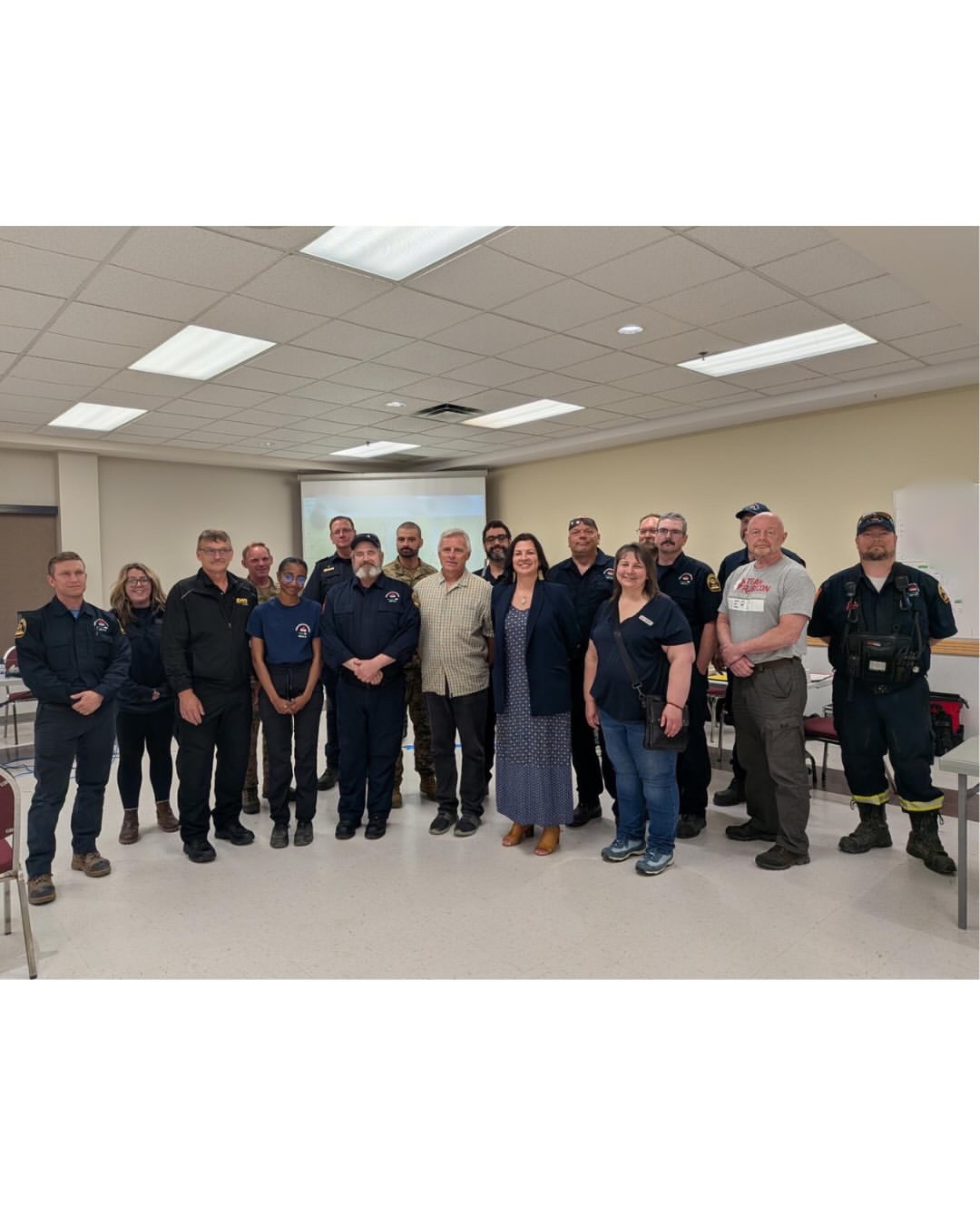
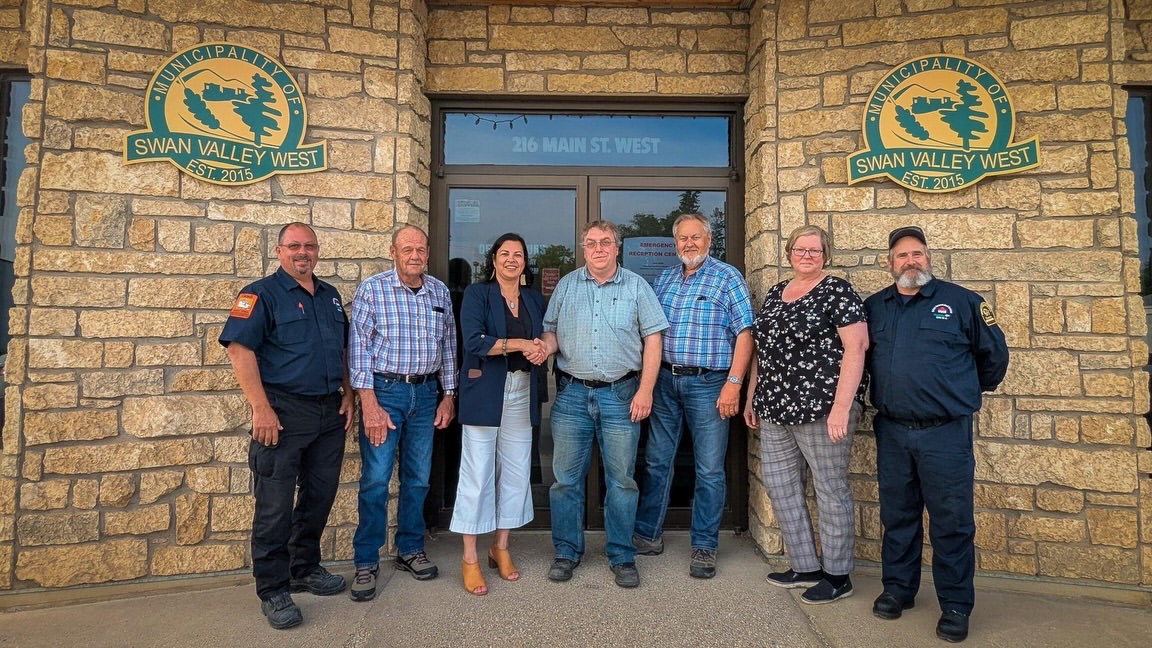
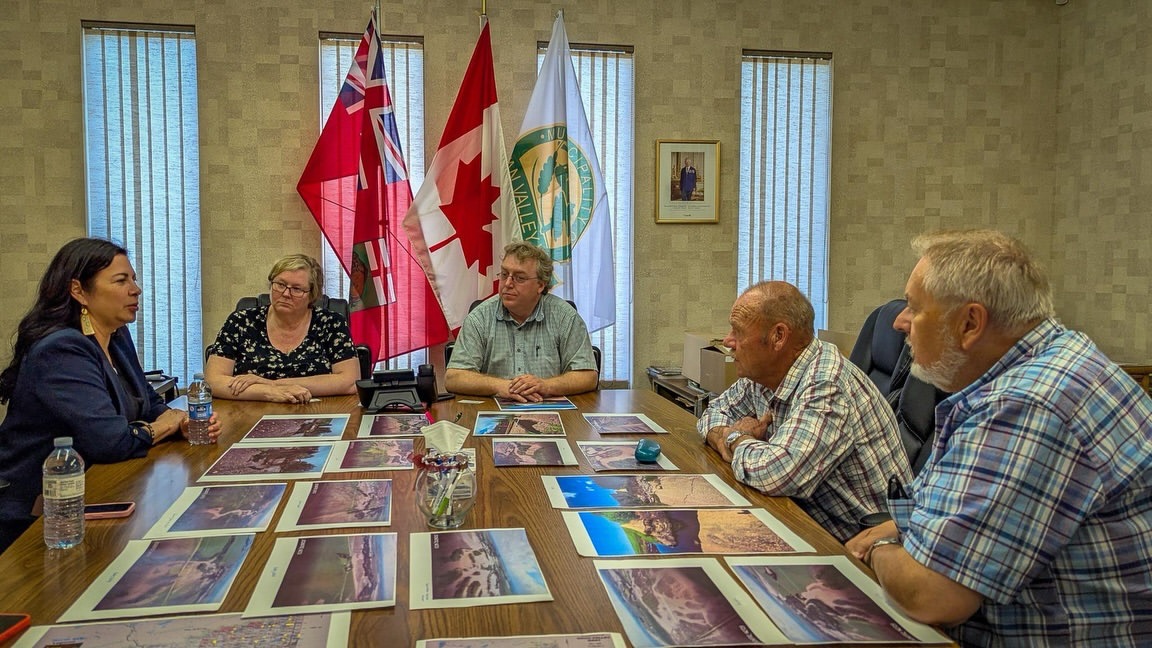
I travelled to Dauphin, Swan River, and the Municipality of Swan Valley West to stand with the communities facing the impact of devastating flooding — and to hear directly from the leaders carrying their communities through it.
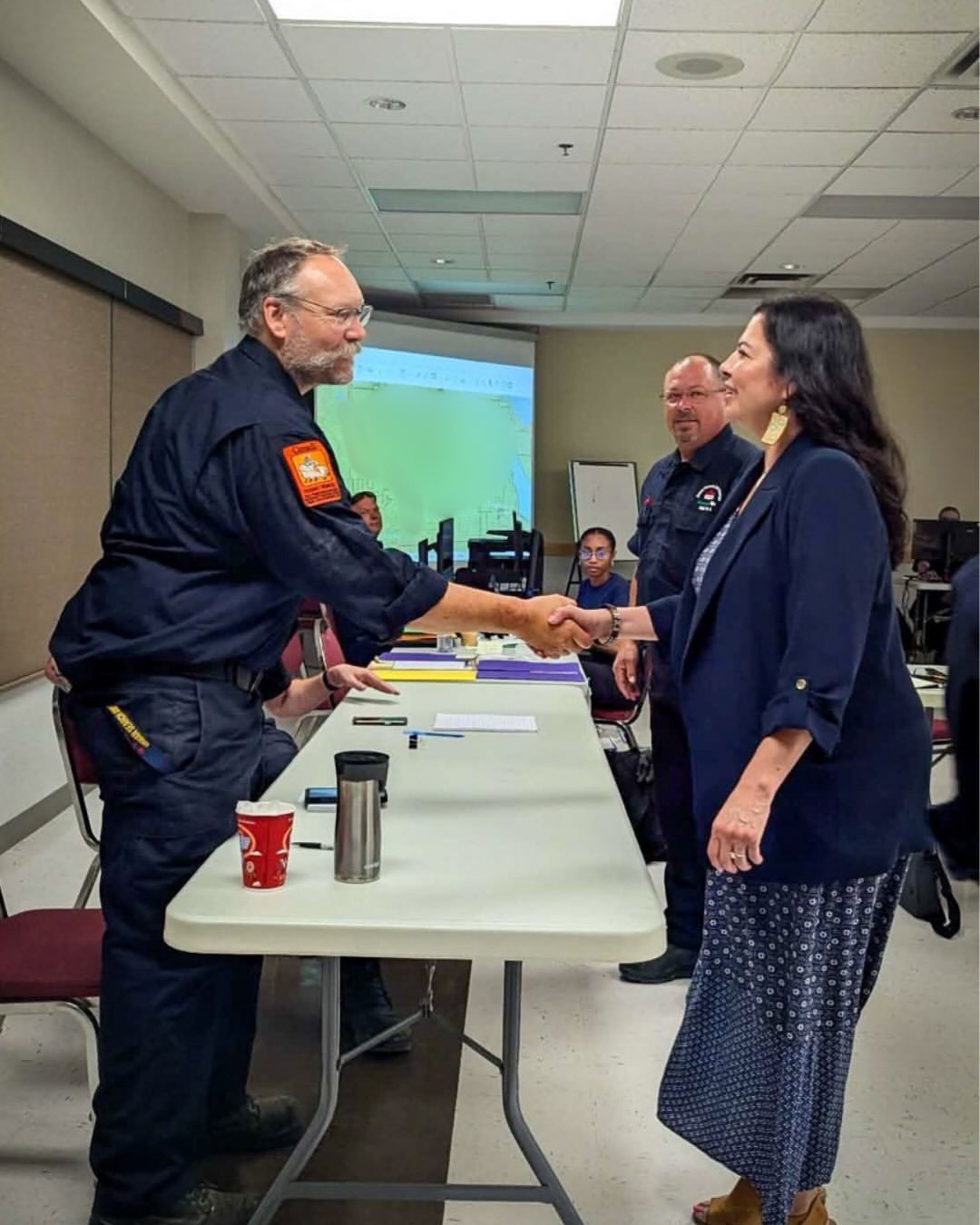
In Dauphin, I met with Mayor David Bosiak, City Manager Sharla Griffiths, and the Manitoba Incident Management Team at the Unified Command Centre. The scale of coordination required to manage a flood emergency of this size was evident — and the professionalism of everyone at that table was remarkable.
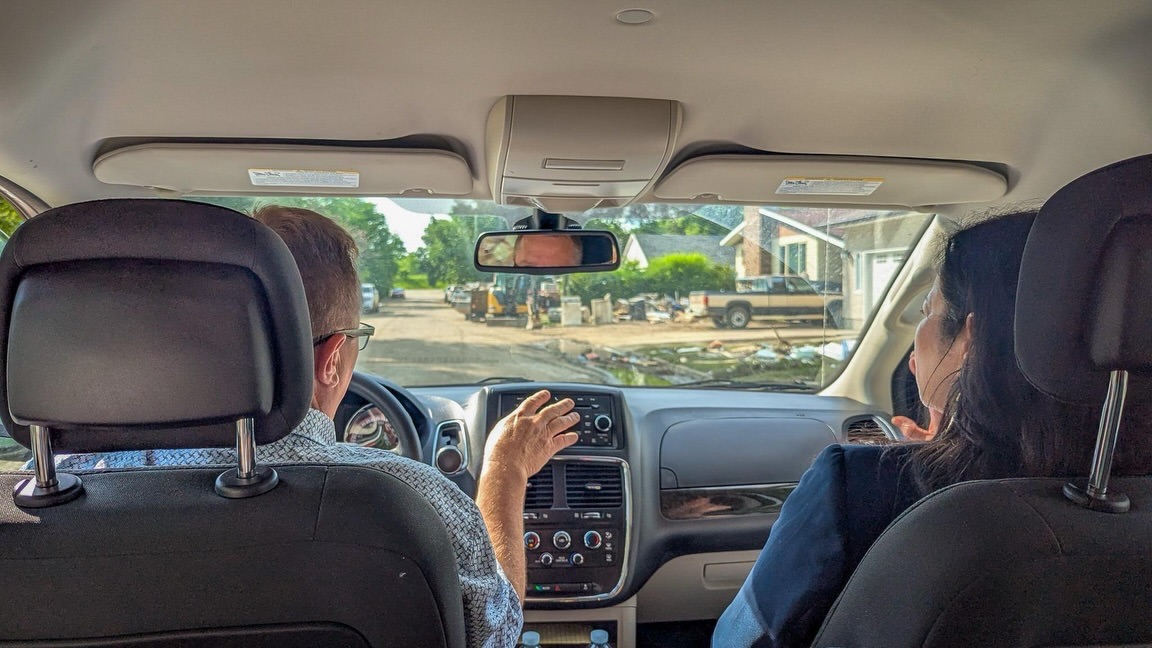
In Swan River, Mayor Lance Jacobson and Councillor Tanya Powell walked me through the impacted neighbourhoods, Legion Park, and the Veterans Community Hall — where local services have been brought together to support residents who have been displaced or affected. Standing in those neighbourhoods and seeing the waterline marks on people’s homes made the crisis real in a way that no briefing note can.
In Swan Valley West, Reeve Bill Gade, Deputy Reeve Brian Burick, Councillor Terry Neely, and CAO Kristi Ronnquist shared the full scale of the challenges their community is facing. These are elected leaders doing everything they can for their residents with the resources available to them.
My heart goes out to everyone affected. I want to acknowledge the tireless work of the first responders, CAF members, Team Rubicon, the Manitoba Disaster Response Team, and the Mennonite community members who have been preparing and donating meals for those in need. That kind of community solidarity — people showing up for strangers — is what Manitoba has always been.
The federal government has a role to play in flood emergency support, in recovery funding, and in the long-term infrastructure investments that reduce the risk of these events recurring. I am committed to making sure that role is fulfilled — not just during the crisis, but through every stage of recovery.
There is a particular kind of honesty that happens at a barbecue that does not happen anywhere else in this job.
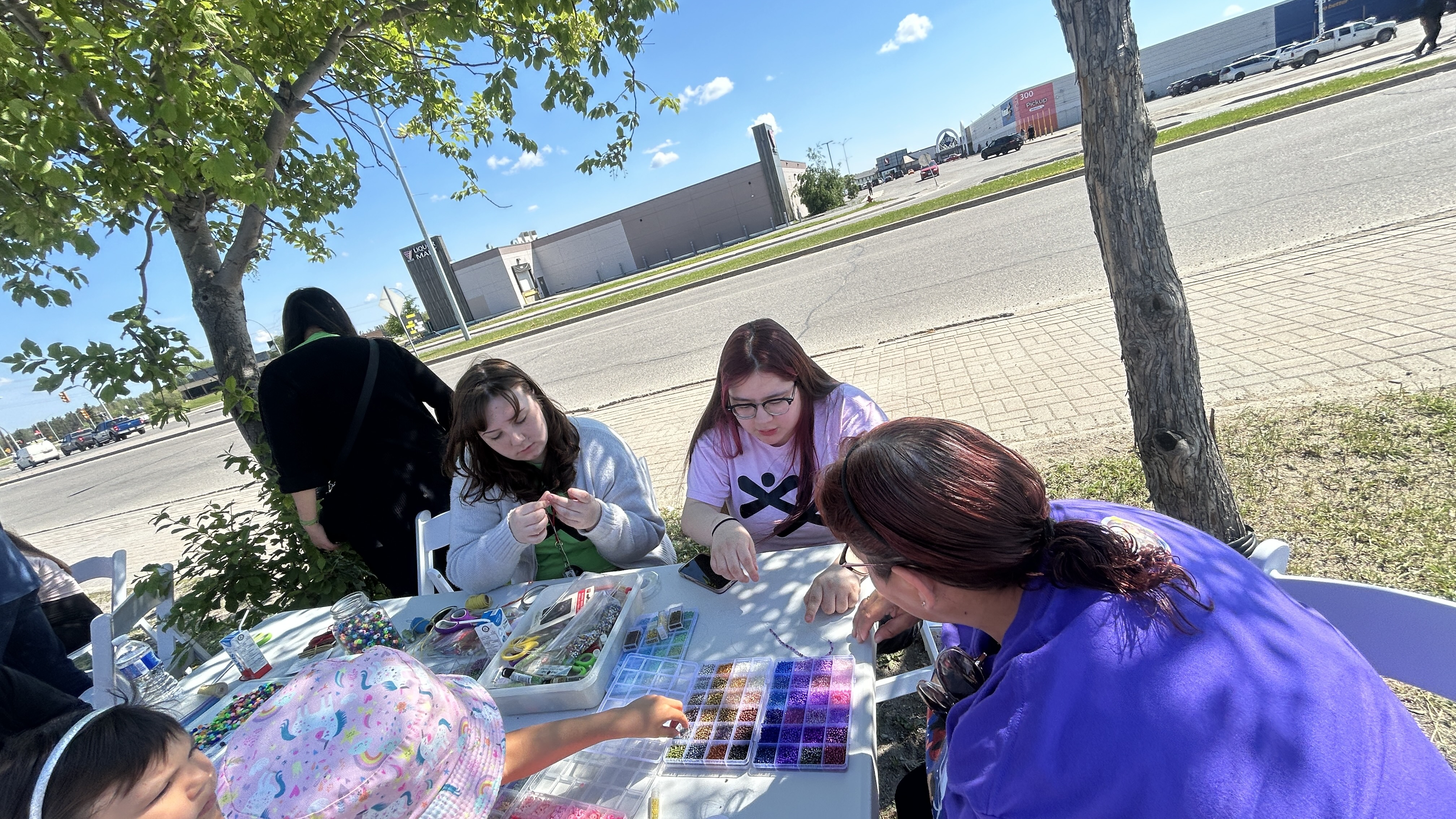
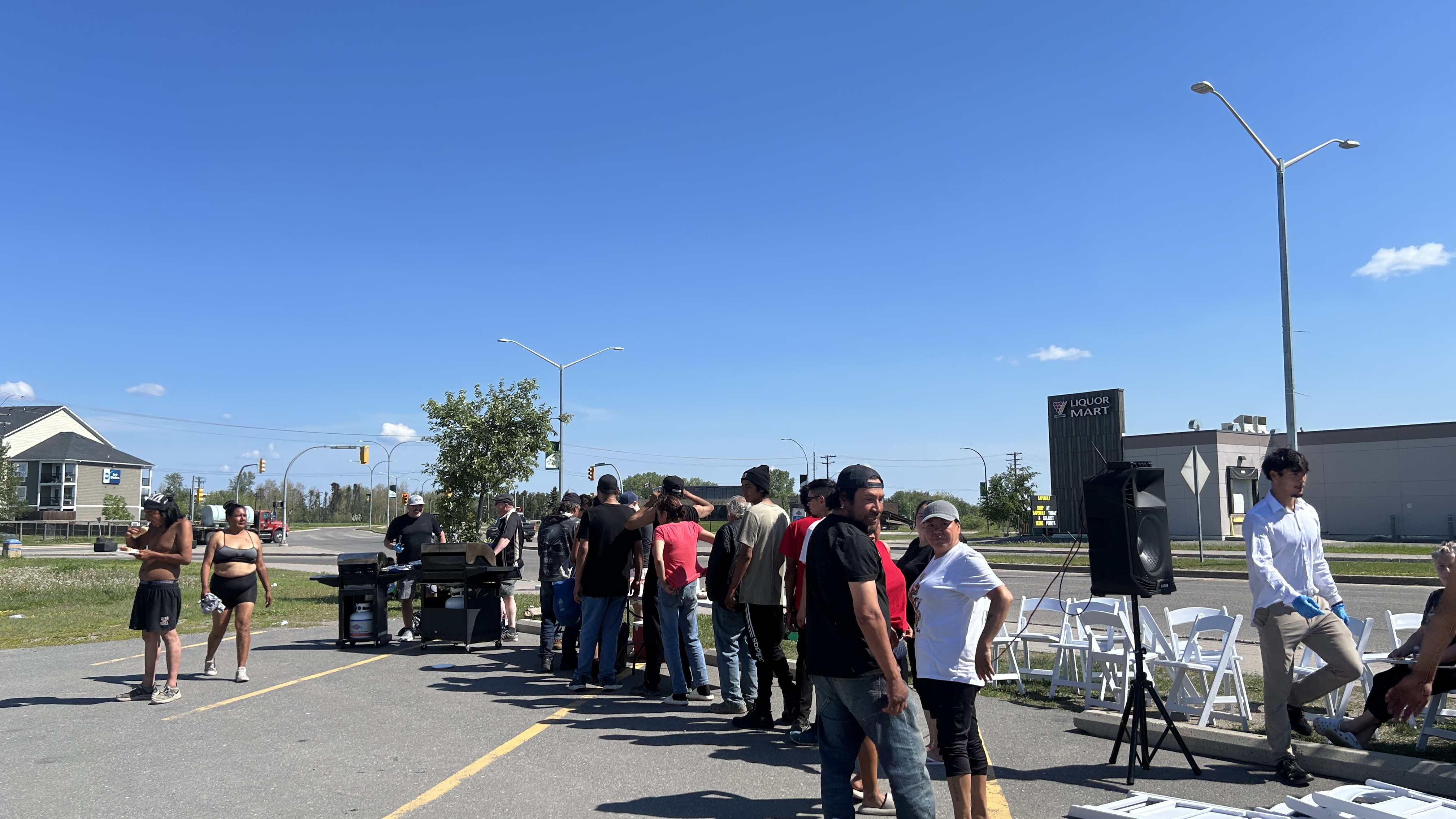
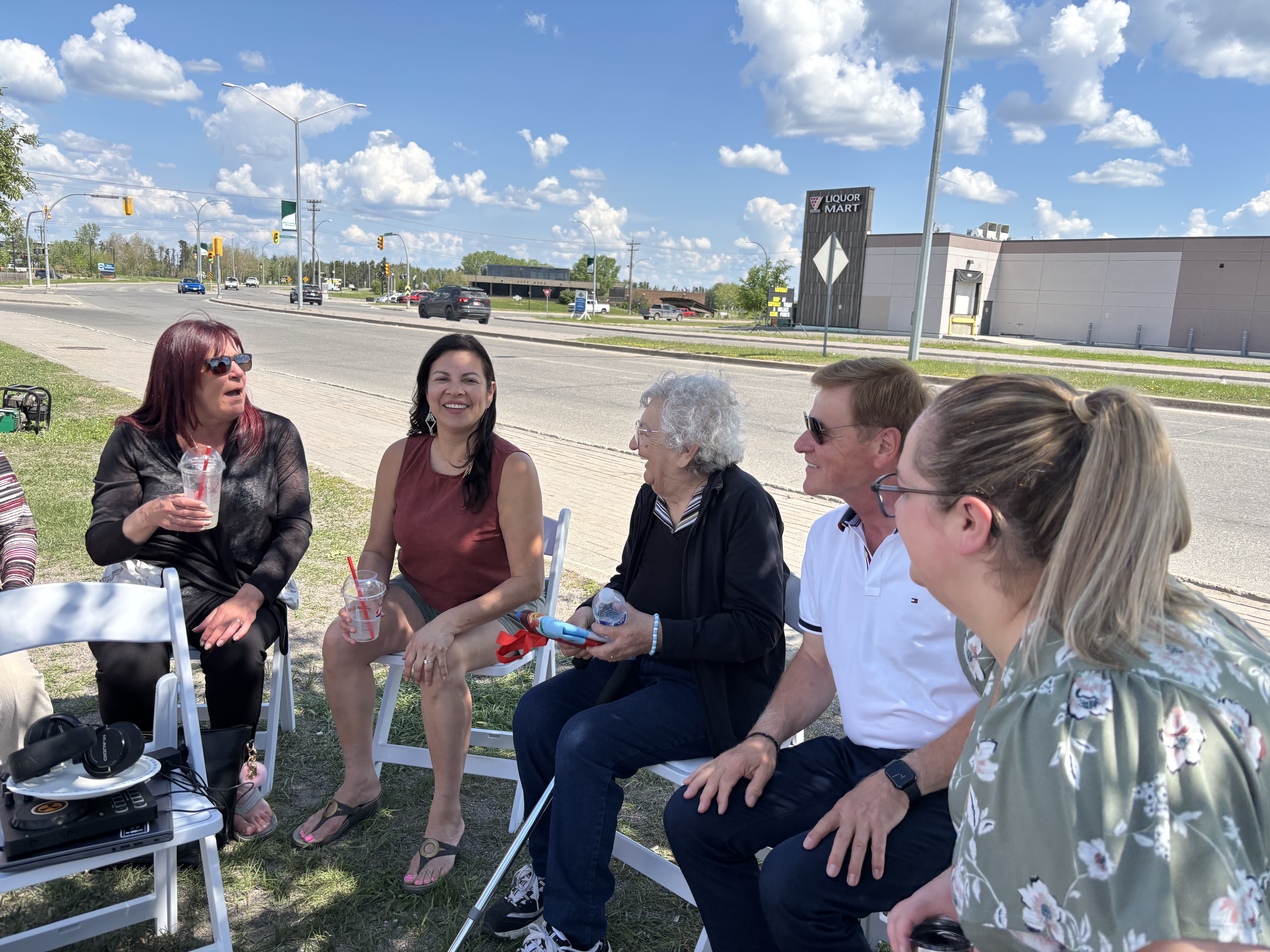
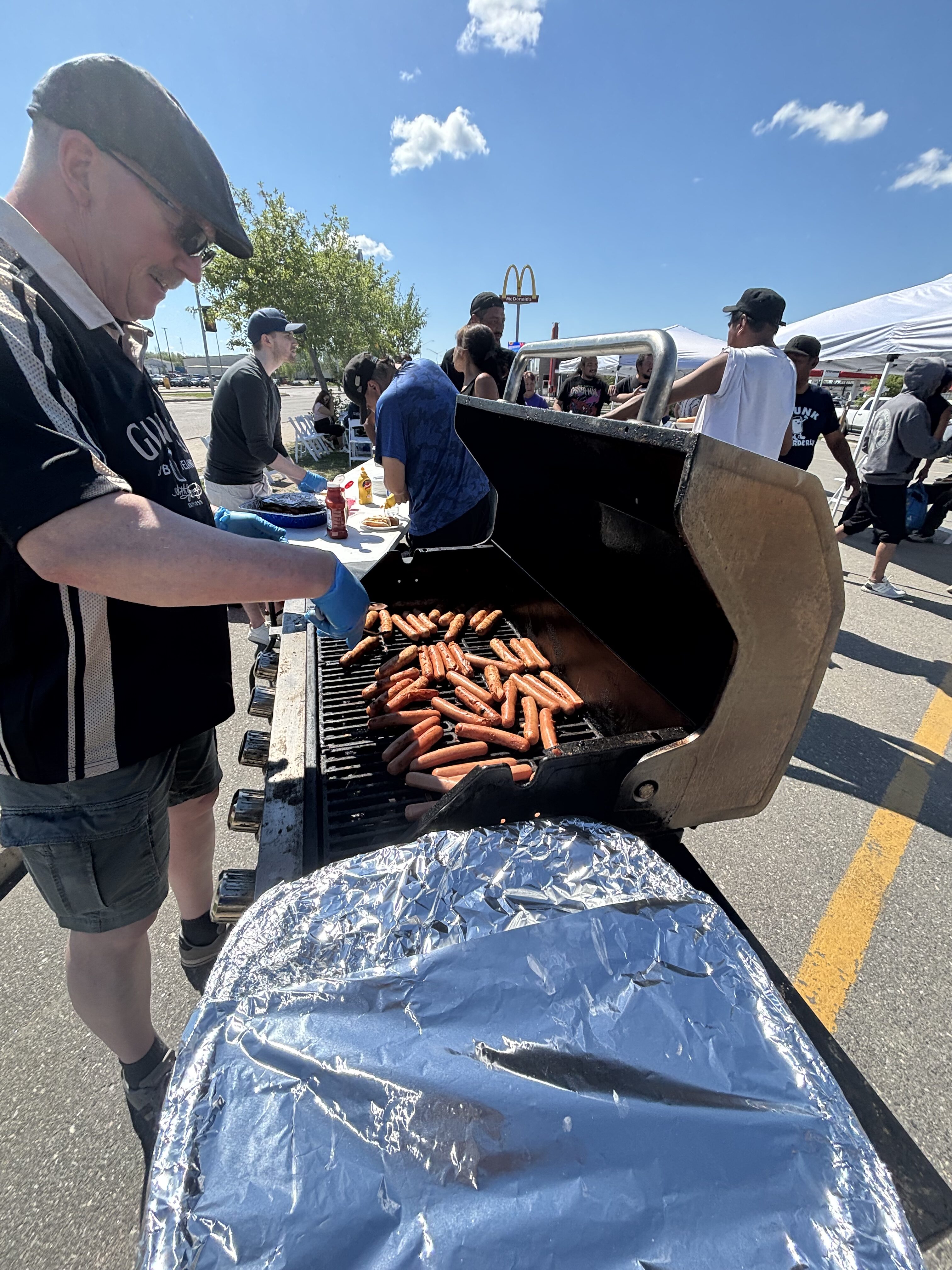
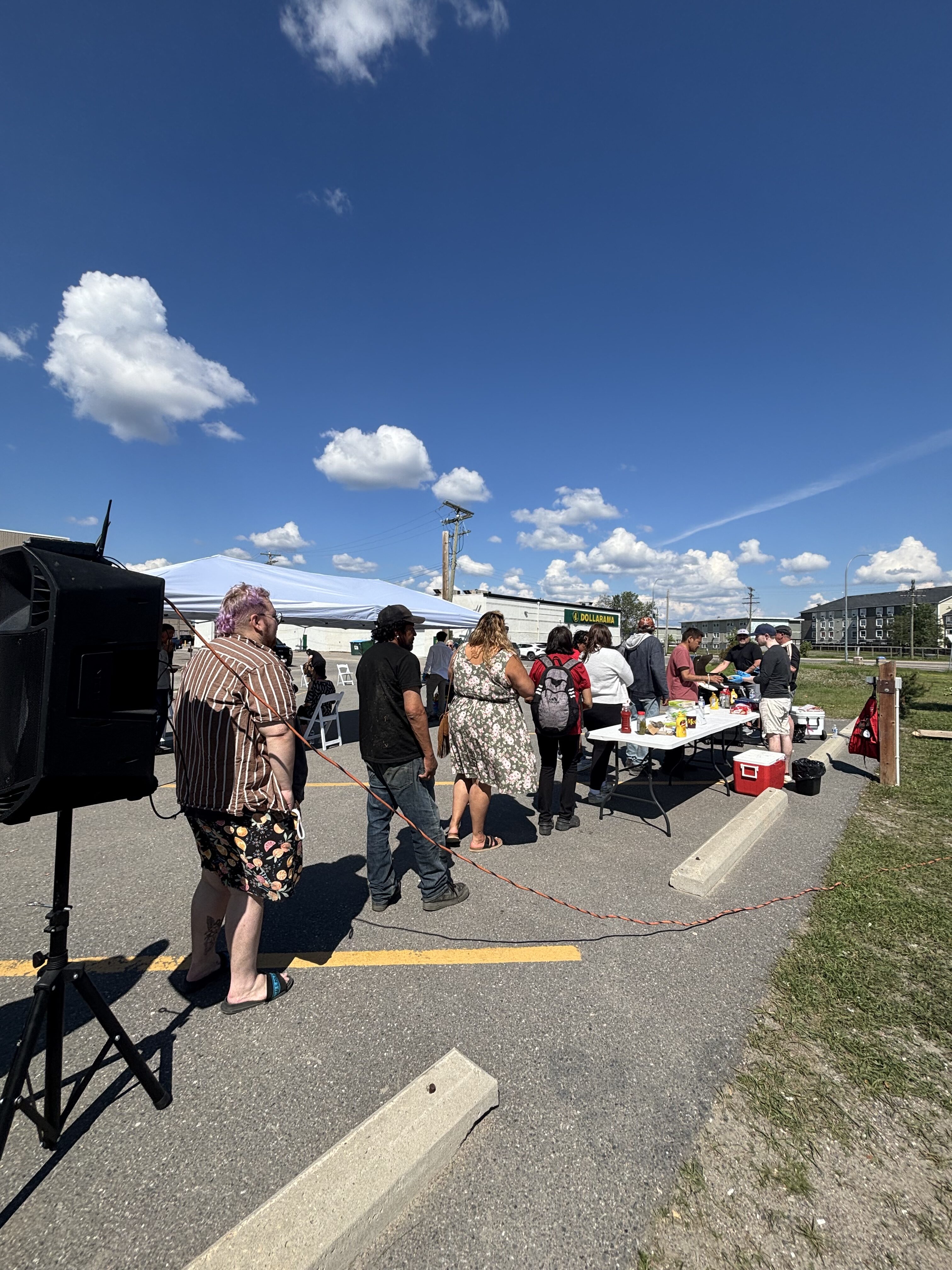
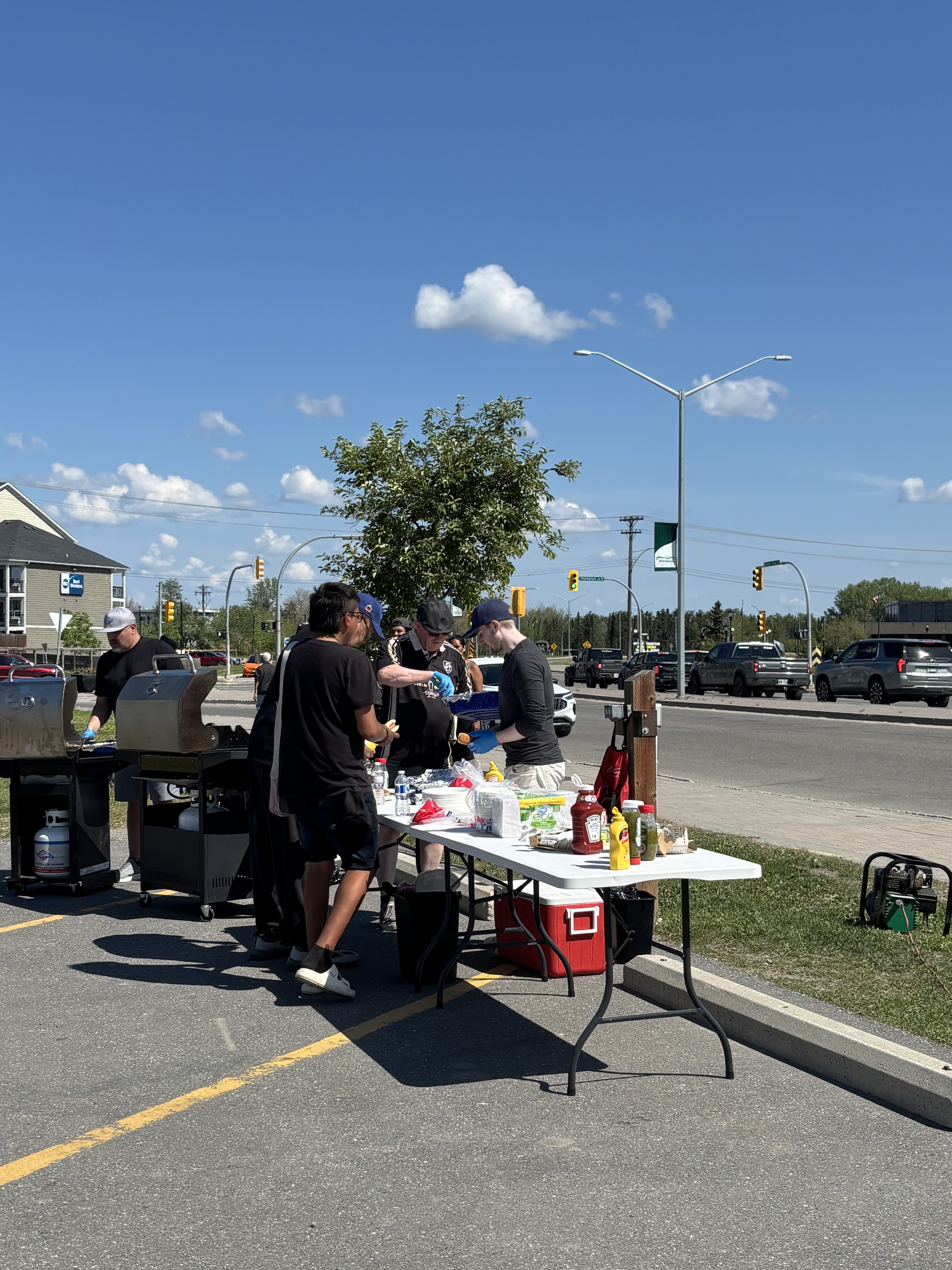
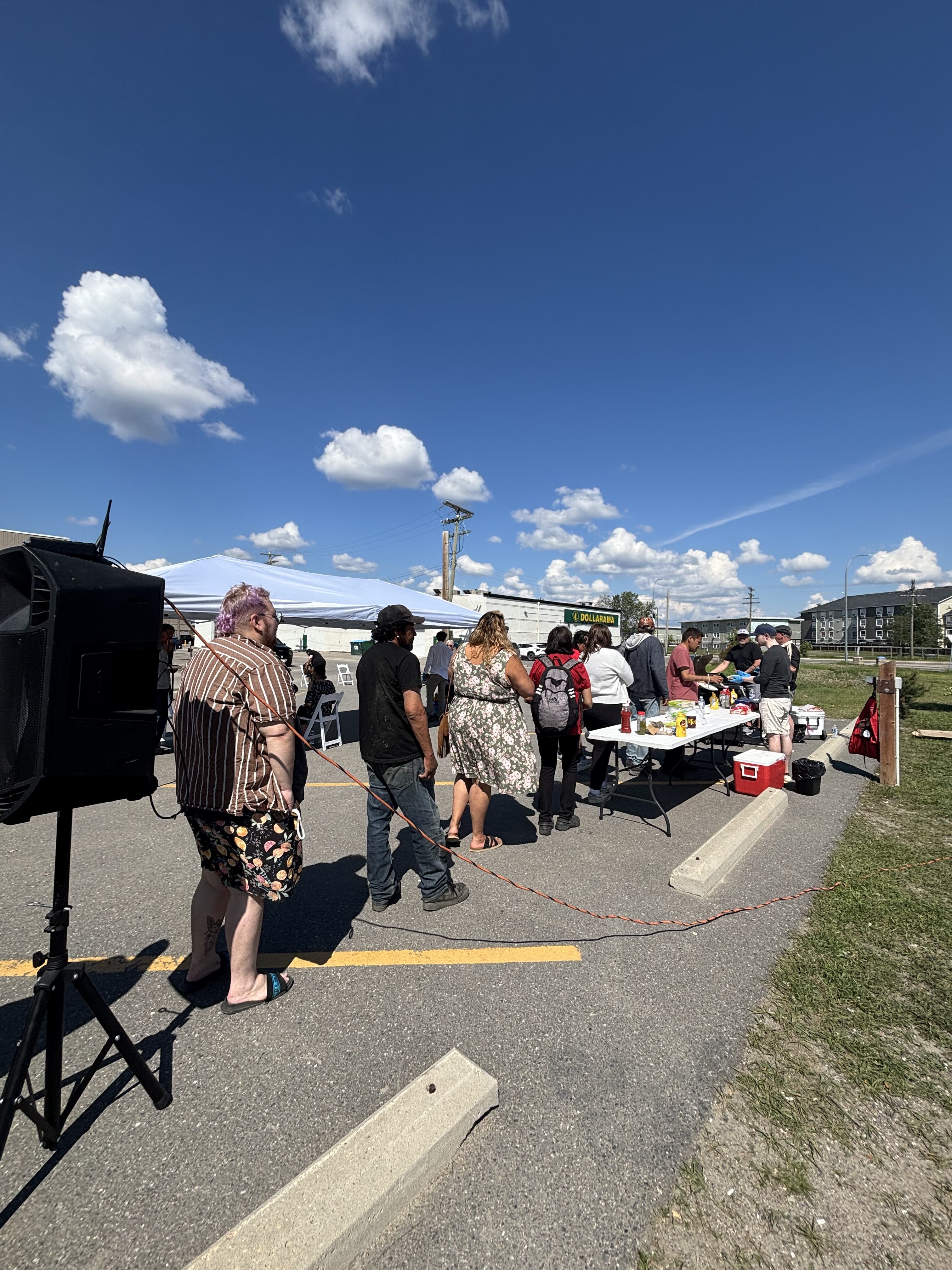
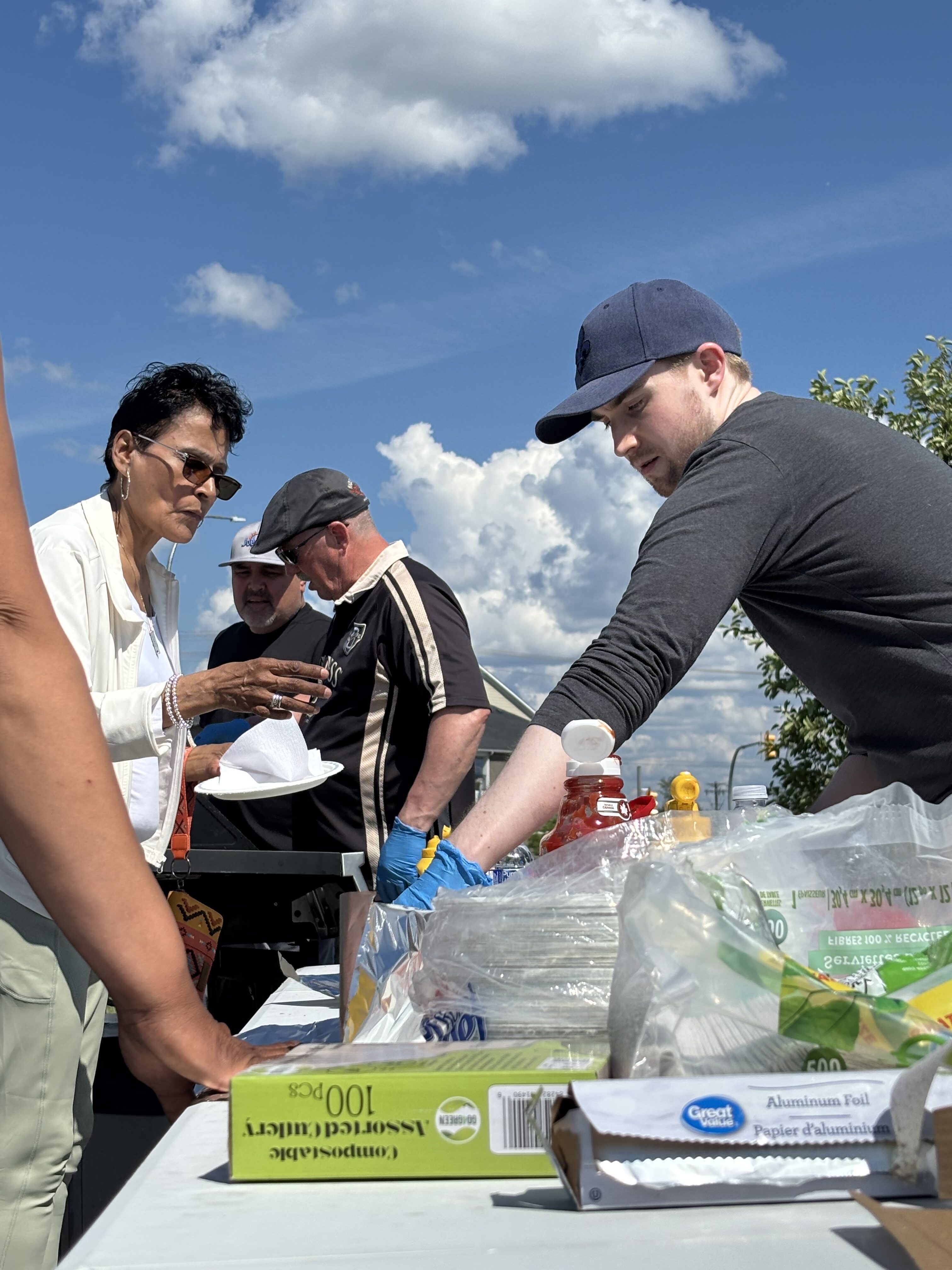
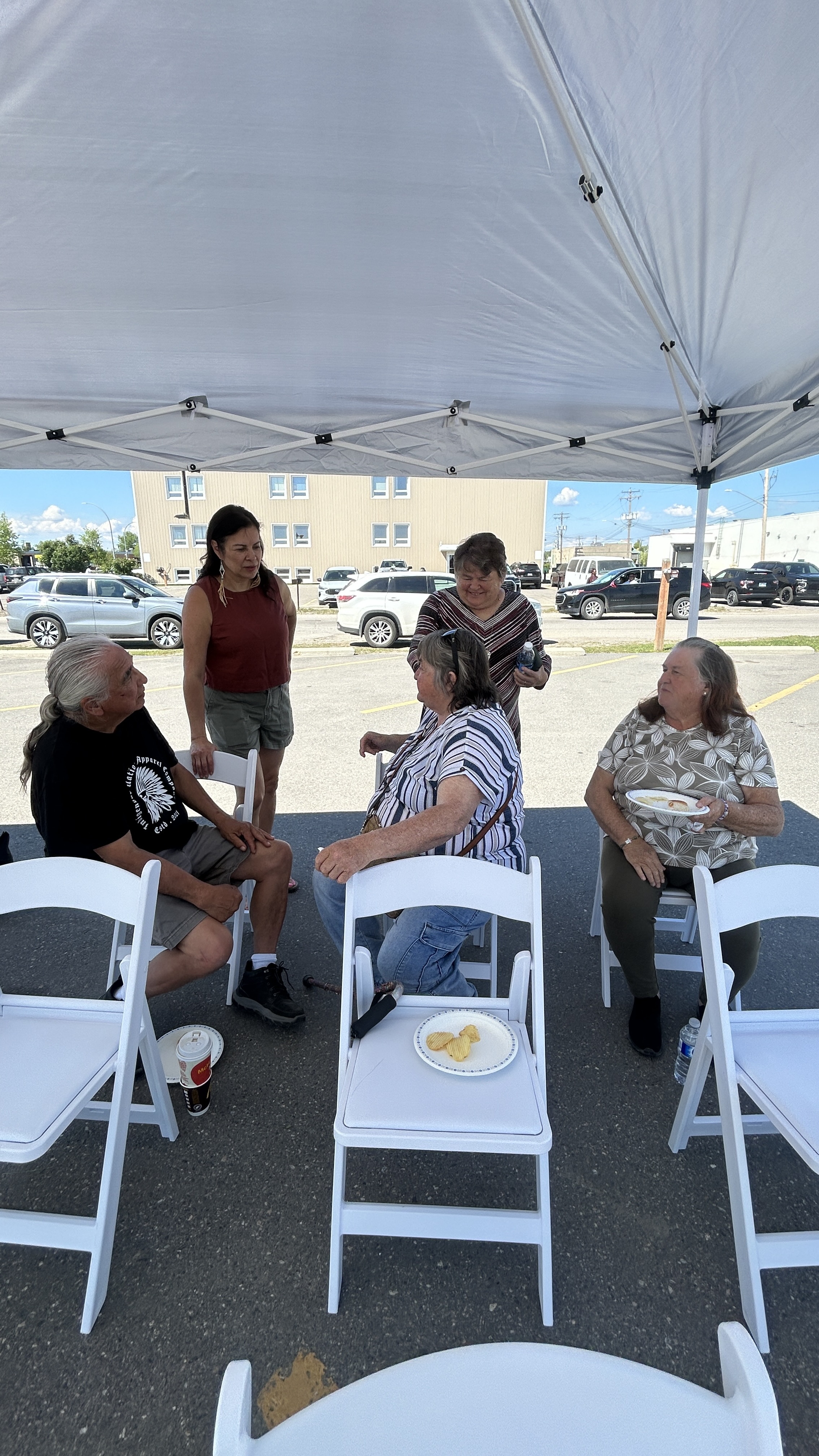
This summer, I hosted a free Community Barbecue at the Churchill Building parking lot in Thompson. No speeches. No formal agenda. Just food, conversation, and a chance for the people of this city to meet their MP without any of the usual distance that comes with politics.
I want to be honest about why events like this matter to me. Churchill–Keewatinook Aski is the fifth largest federal riding in Canada — 73 communities spread across three-quarters of Manitoba. It would be easy for an MP representing a riding this size to become an abstraction to the people they serve — a name on a letter, a face on a website. I refuse to let that happen.
So we set up the grill. We invited everyone. And for a few hours, this was not a constituency office and an MP, it was neighbours sharing a meal.
I heard concerns about housing. I heard hopes for the new radio programme launching this summer. I heard from a grandmother who wanted to talk about her grandson’s hockey team, and from a young person who asked me a sharp, well-informed question about federal infrastructure funding that I am still thinking about.
That is constituency work. Not the speeches. The parking lot conversations.
To everyone who came out — thank you for trusting this office enough to show up, eat with us, and tell us what is on your mind. We are listening. We will keep showing up.
If you want to understand the future of northern Manitoba, you have to understand the role University College of the North plays in shaping it.
Following UCN’s convocation in Thompson, I sat down with UCN President Doug Lauvstad for a substantive conversation about how the institution can lead the next phase of development across the North.
Our discussion covered several key themes: how UCN can expand programming in the skilled trades to meet the demand created by federal infrastructure investments like the Build Communities Strong Fund, how the institution can deepen its partnerships with First Nations communities across the riding to support Indigenous-led economic development, and how UCN’s research and training capacity could be leveraged to support emerging sectors — from critical minerals to clean energy to northern healthcare delivery.
I want to be direct about why this conversation matters. Every federal dollar flowing into this riding — for housing, infrastructure, broadband, economic development — ultimately needs a skilled local workforce to turn that funding into results. UCN is that workforce pipeline. Strengthening UCN’s capacity is not a side conversation to northern development. It is central to it.
President Lauvstad shared an ambitious and grounded vision for UCN’s future — one rooted in genuine partnership with northern and Indigenous communities, not a one-size-fits-all approach imported from southern institutions.
This was the beginning of an ongoing conversation, not the end of one. My office will continue working with UCN to ensure the institution has the federal support it needs to lead northern Manitoba’s next chapter.