


The future of AI in the North will be built by the North.
This summer I joined the 2026 Indigenous AI Gathering at Mila — the Quebec Artificial Intelligence Institute — in partnership with Abundant Intelligences, for a conversation on Arctic intelligence and what “AI for All” truly means for northern and Indigenous communities.
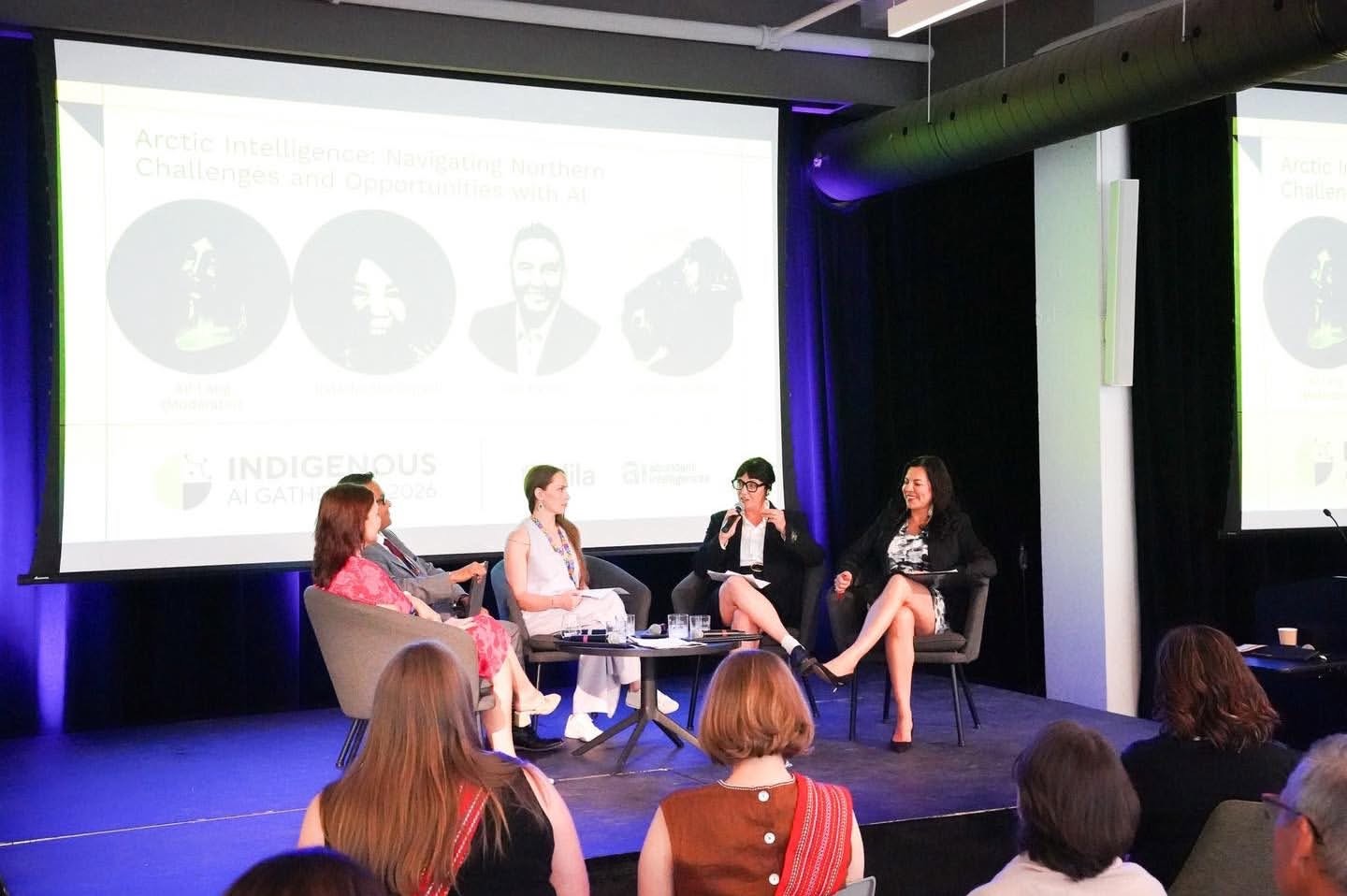
Let me be direct about why this matters. Artificial intelligence is already reshaping healthcare, education, economic development, and public services across Canada. And if Indigenous communities are not at the table as that technology is designed, trained, and deployed — then the history of top-down systems being built about Indigenous peoples without Indigenous peoples will repeat itself in digital form.
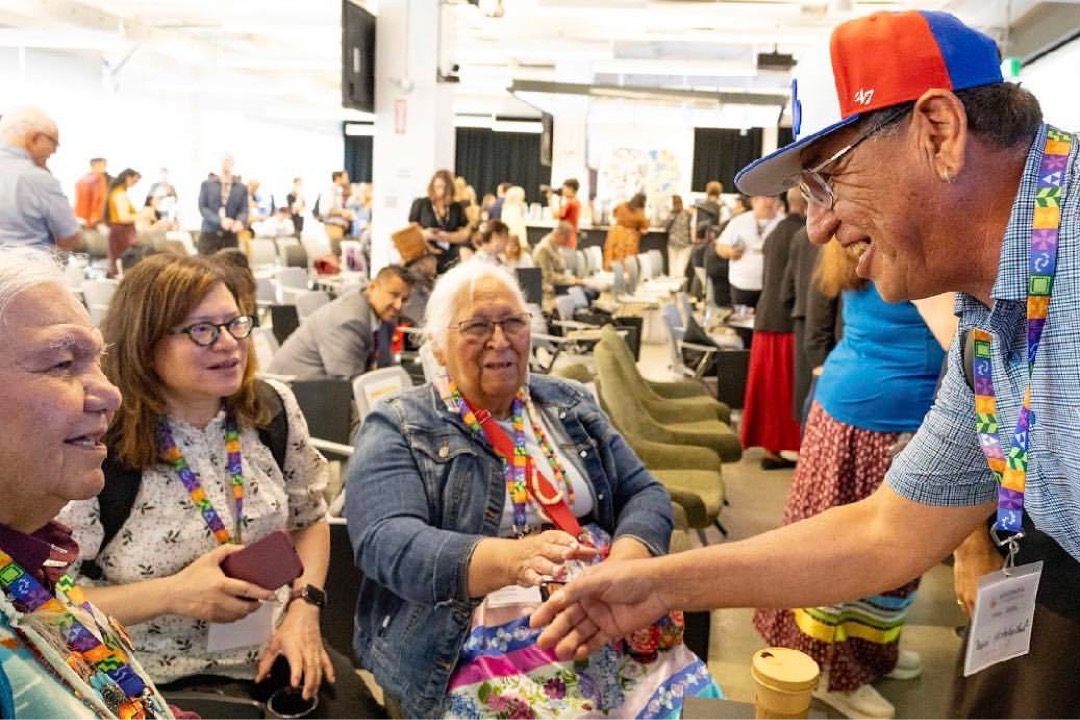
Indigenous communities must have a voice and agency in shaping this technology. The best solutions — in healthcare access, language revitalisation, environmental monitoring, and economic development — are the ones built collaboratively. They come from the people who live and work in the North. Those who know the land, the water, the languages, and the cultures.
We are building on efforts already underway: the Indigenous Languages Program at Canadian Heritage, the Indigenous Languages Technology Program at the National Research Council, and First Languages AI Reality at Mila. These programmes demonstrate that when Indigenous knowledge is centred in technological development, the results are stronger, more relevant, and more lasting.