


When the floodwaters rose in Peguis First Nation this spring, the first people evacuated were the most vulnerable those with disabilities, complex medical needs, and expectant mothers near delivery.
That told me everything I needed to know about this community. Even in crisis, Peguis took care of its most vulnerable first.
The federal government acted immediately. To date, we have committed more than $4.7 million through Indigenous Services Canada’s Emergency Management Assistance Program, supporting evacuation, emergency shelter, food, and essential services for community members displaced by the flood.
But I want to be clear about something: this has been a Peguis-led response from the beginning. Our role was to stand firmly behind Indigenous leadership — providing every resource needed, as quickly as it was needed not to manage the situation from Ottawa.
Chief and Council have been extraordinary throughout this emergency. I have remained in direct contact with leadership throughout the response and into the recovery period. The community has shown remarkable resilience and organisation in the face of what experts believe may have been a larger flood event than the devastating 2022 floods.
The reality of Peguis is something that more Canadians need to understand. This community was forcibly relocated to flood-prone land over a century ago. They have been flooding ever since. What happens in Peguis every spring is not a natural disaster. It is the ongoing consequence of a colonial decision that has never been adequately remedied.
Emergency response matters. And so does the longer conversation about permanent flood mitigation infrastructure that this community has been requesting for years. I am committed to ensuring that conversation does not end when the water recedes.
To the people of Peguis — we are with you. Not just during the flood. Every step of the recovery, and in every conversation about the long-term solutions your community deserves.
Miigwech · Kinana’skomitin · Pidamaya ye · Mahsi cho · Nakurmiik · Merci · Thank you
Last summer’s wildfire season had devastating impacts across northern Manitoba. While we cannot prevent every fire, we can strengthen coordination, preparedness, and our ability to protect lives.
In Thompson, I met with City Council to discuss evacuation planning, emergency communications, and the critical supports needed for Thompson as a hub community that receives evacuees from across the region.
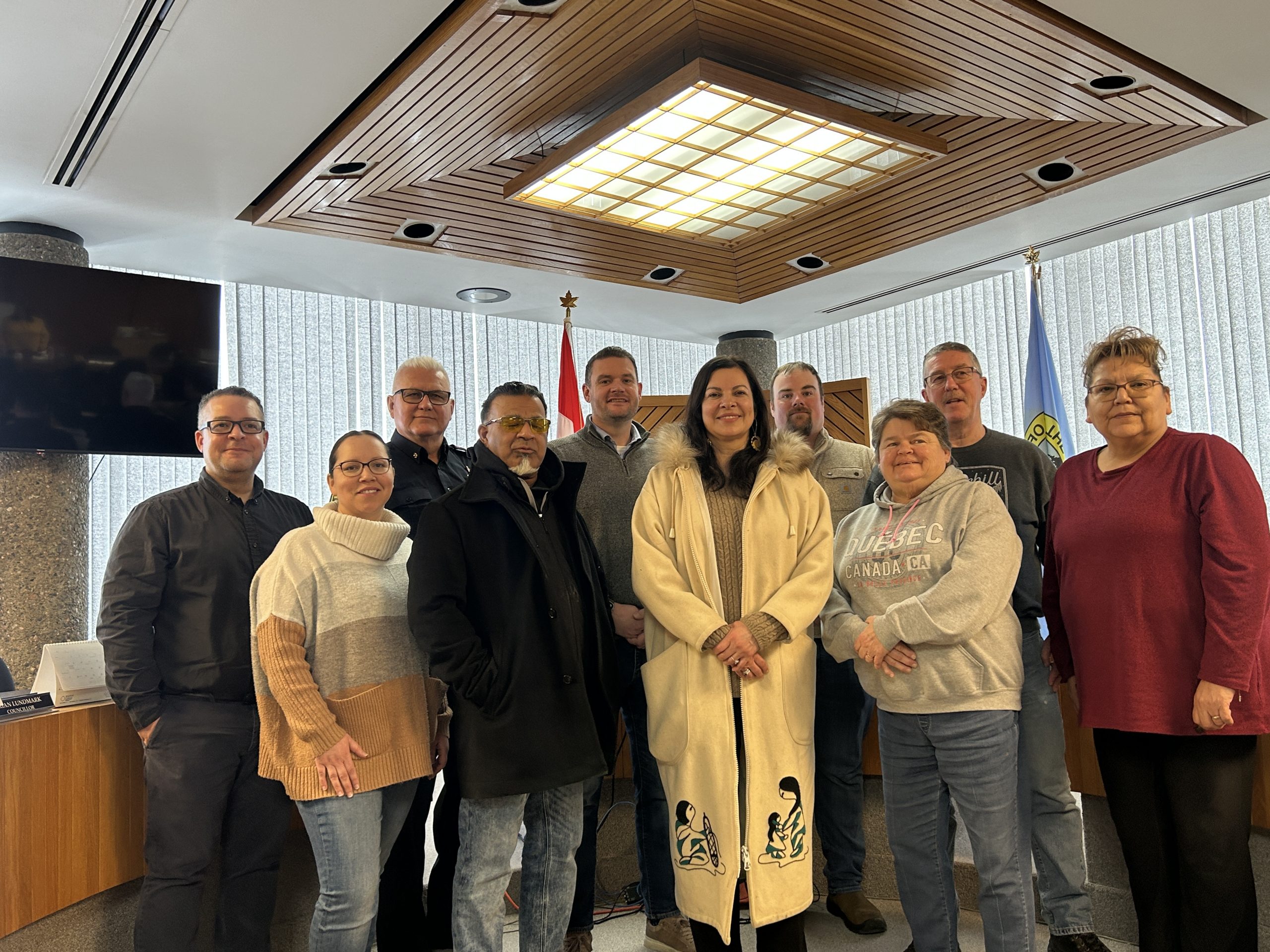
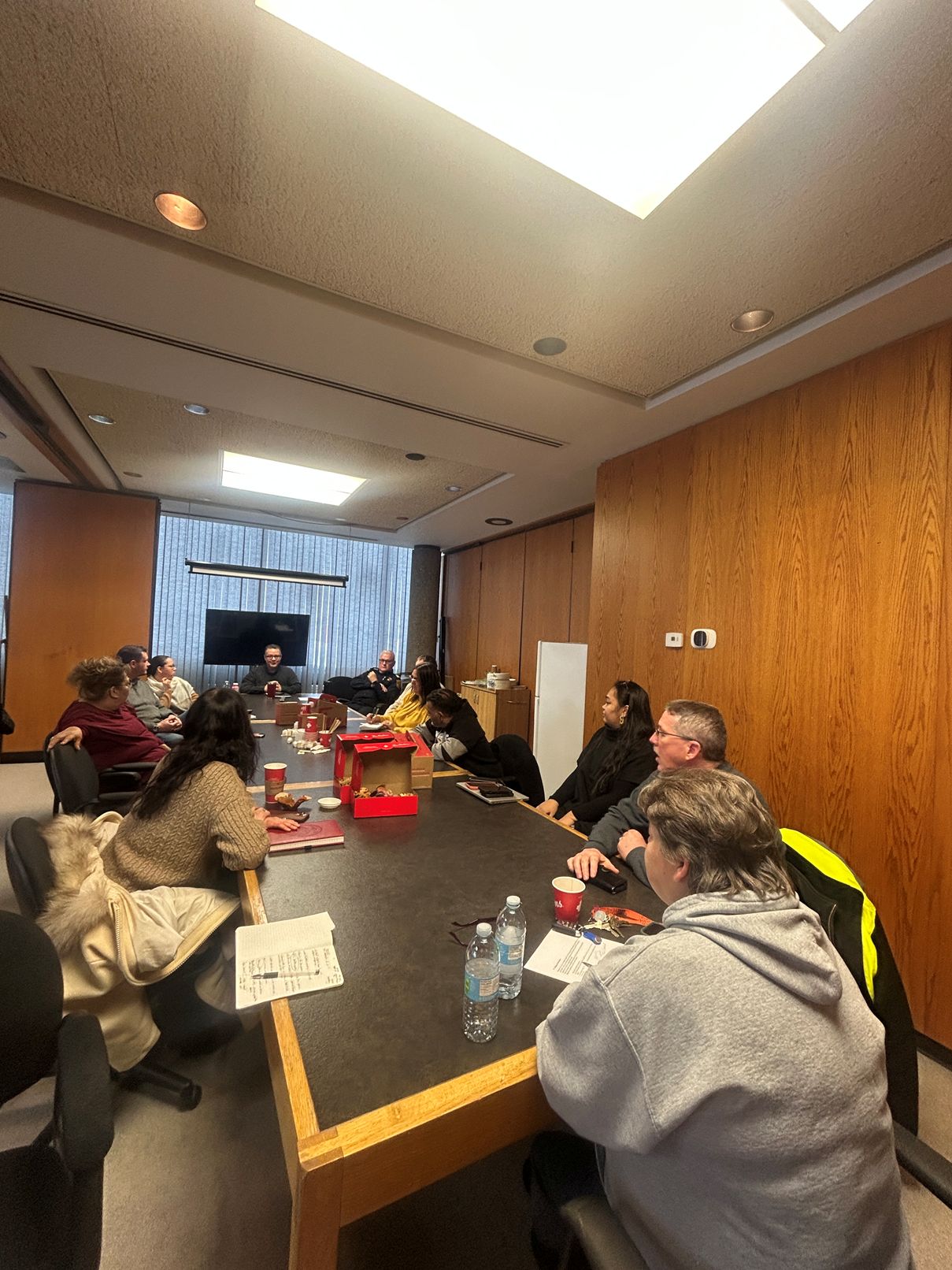
I met with community office holders to discuss operational and administrative challenges they’re facing, the kind of bottlenecks that slow things down and make it harder to serve residents. We talked about how the federal government can help remove those barriers.
We also discussed wildfire preparedness and how to ensure smooth operations during the summer fire season. Last year showed us how devastating wildfires can be for northern communities. Planning ahead isn’t optional, it’s essential for keeping people safe and minimizing disruption when fires threaten.
By working together, we can build a more resilient northern Manitoba.