


I had the honour of standing alongside the leaders of the Seal River Watershed Alliance — the Sayisi Dene First Nation, Northlands Denesuline, Barren Lands, and O-Pipon-Na-Piwin Cree Nation — as we took a major step forward together.
The Seal River Watershed is one of the last great intact ecosystems on Earth. No permanent roads. No mines. No dams. Just clean water, caribou, beluga whales, and the living cultures of four First Nations who have been the guardians of this land since time immemorial.
The Government of Canada is committing $74.7 million over 11 years, plus $7.9 million in ongoing funding, to advance the establishment of the Seal River Watershed Indigenous Protected and Conserved Area and national park reserve — as part of A Force of Nature: Canada’s Strategy to Protect Nature. The Province of Manitoba is contributing a $4-million endowment to support the long-term protection of this remarkable region.
But the real story here is not the dollars. It is the partnership.
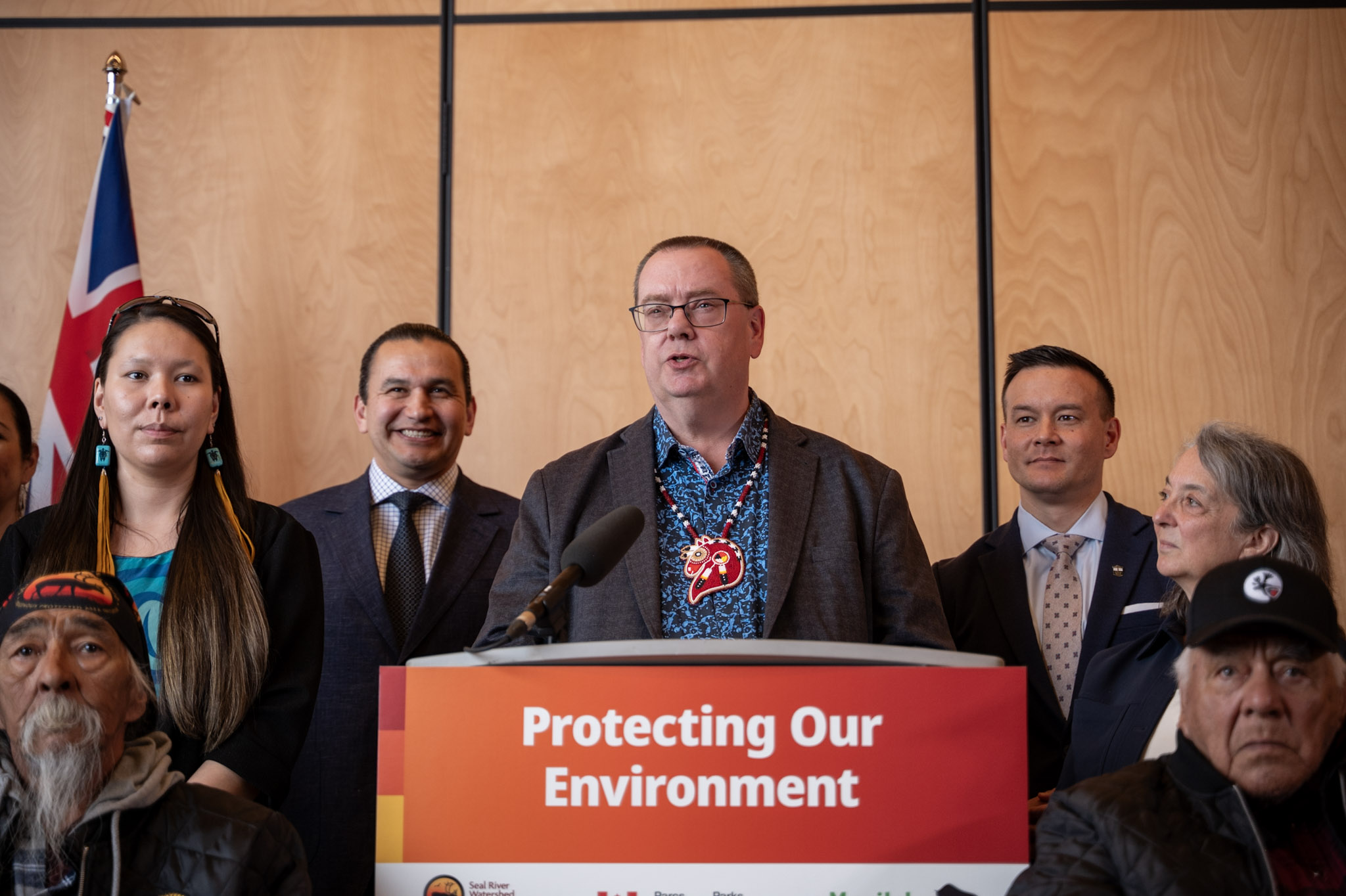
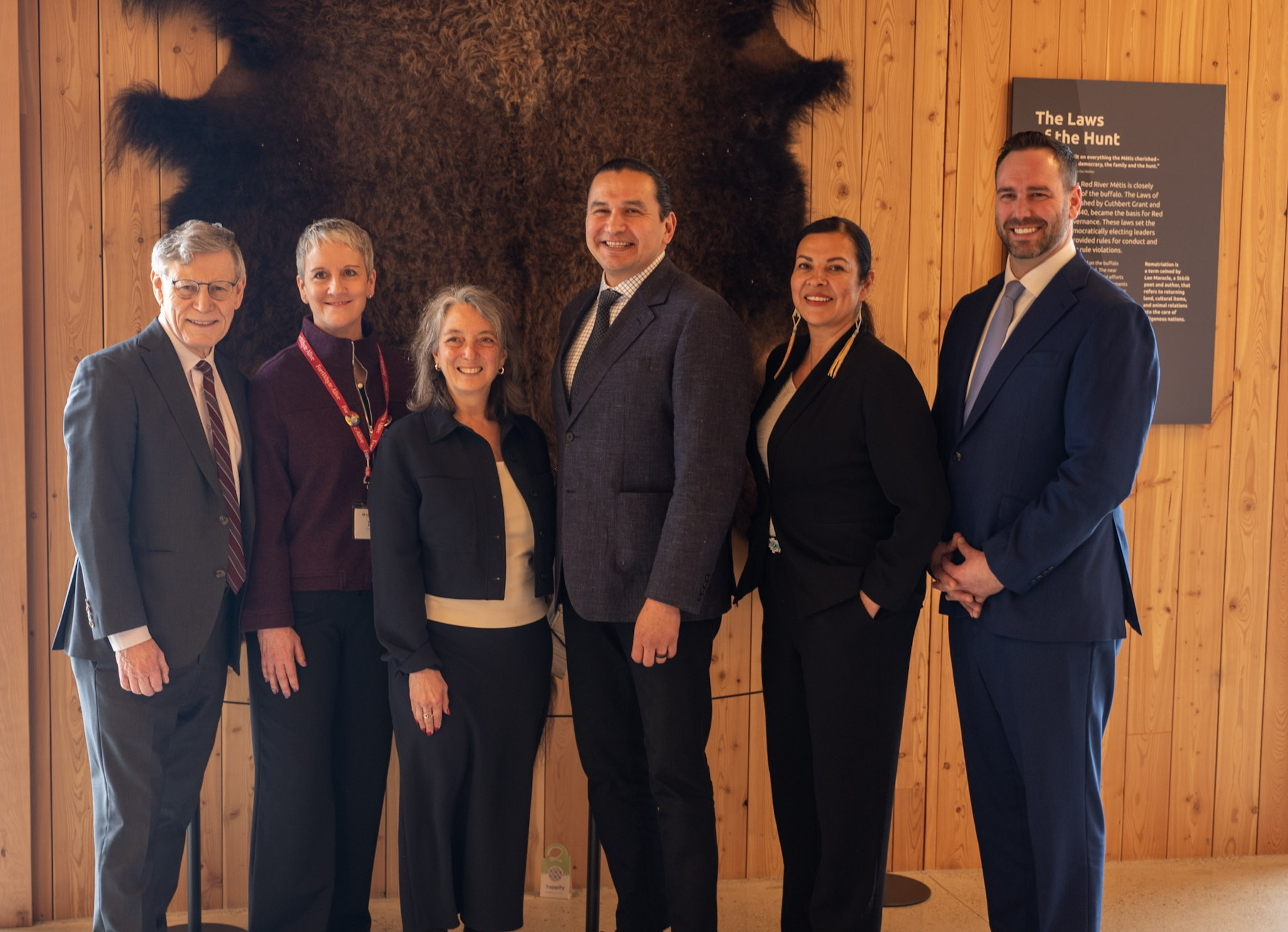
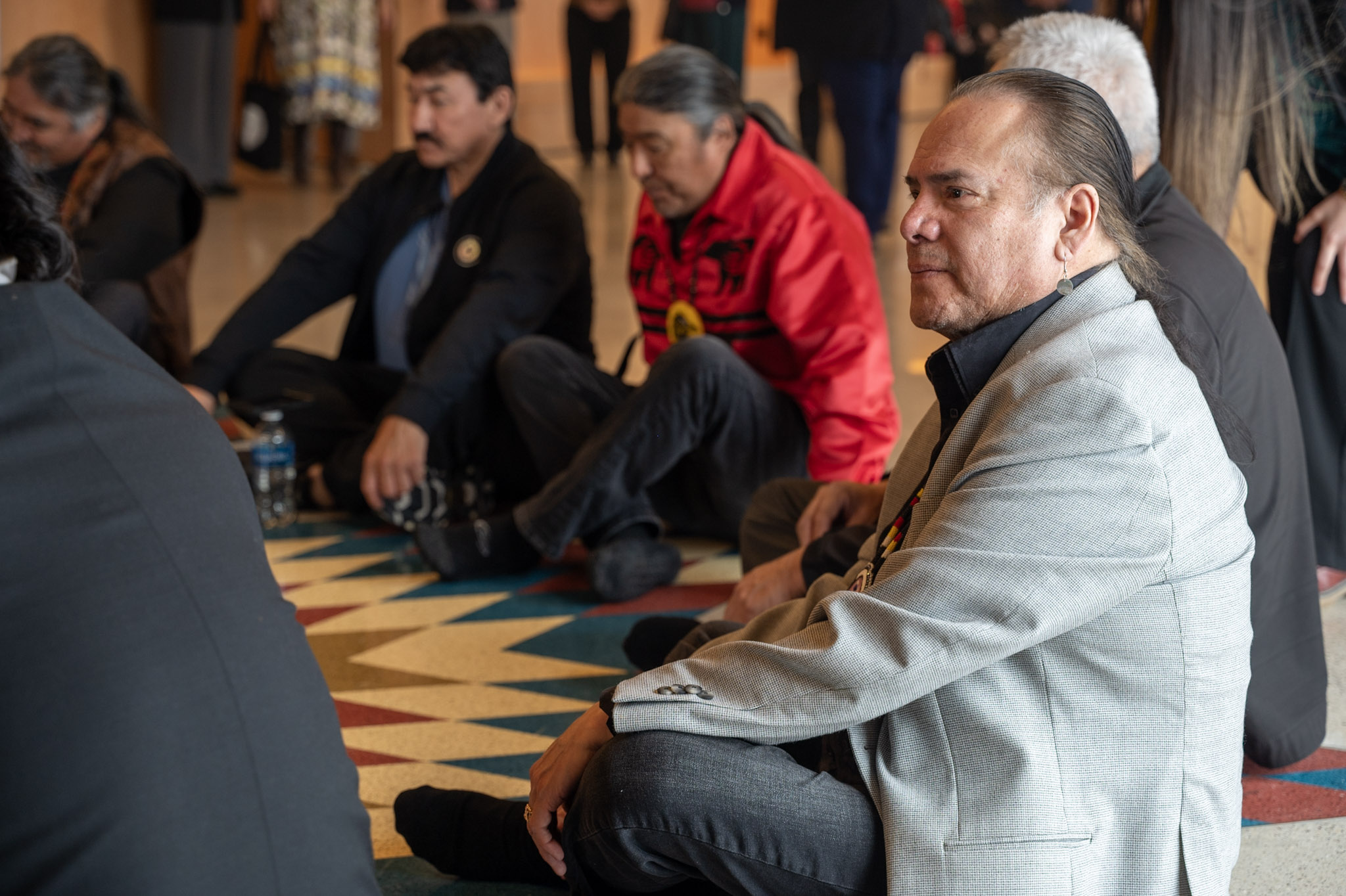
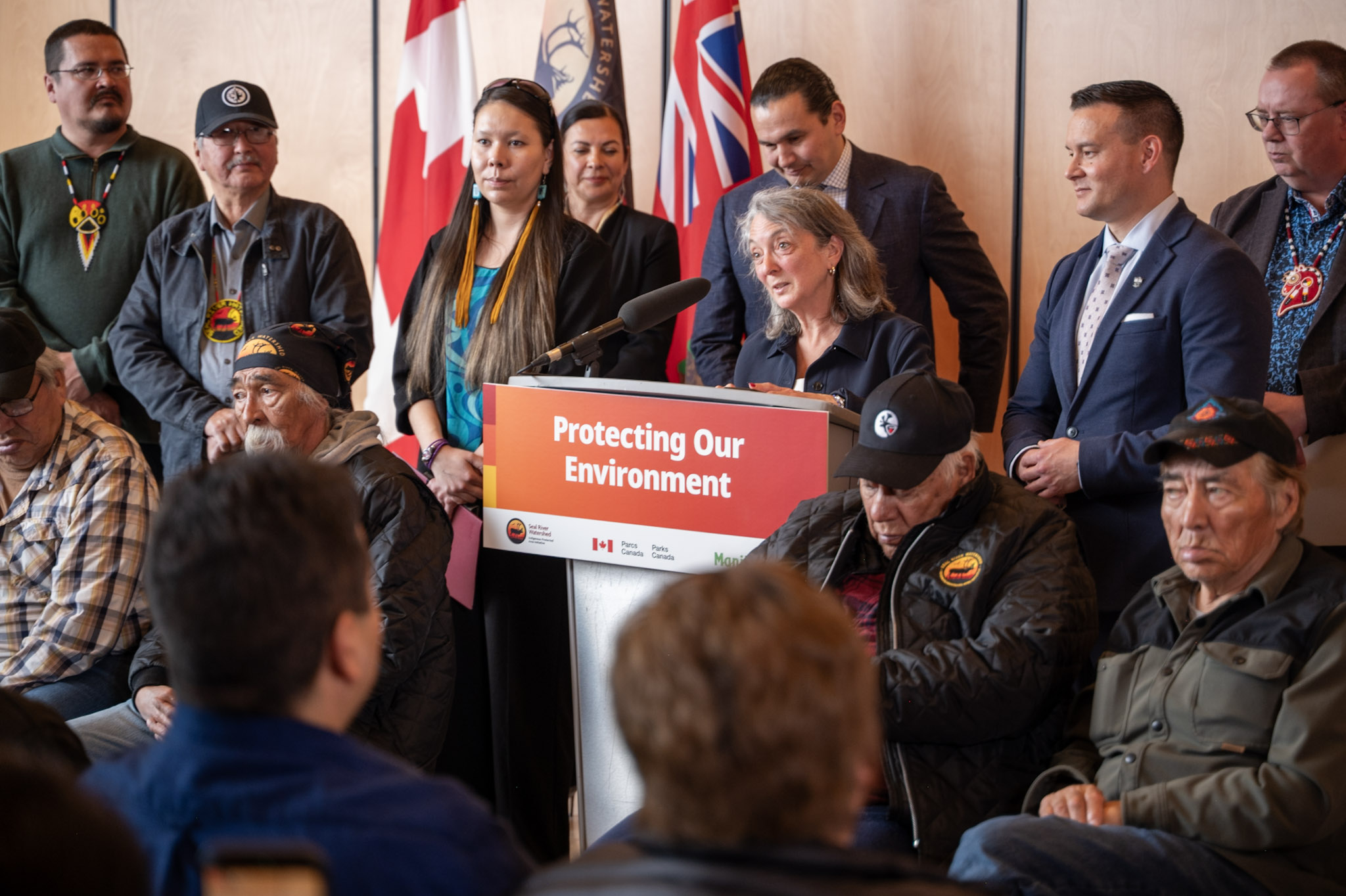
This is what it looks like when Indigenous nations lead — and governments show up to support that vision. The four nations have been the guardians of this land since time immemorial. Canada and Manitoba are catching up.
An Indigenous Protected and Conserved Area is not just a conservation designation. It is a declaration that the people who have always cared for this land are the ones best positioned to continue caring for it. It is economic opportunity — tourism, Land Guardian employment, and the stewardship economy that sustains northern communities for generations. And it is a model for what genuine Nation-to-Nation-to-Nation partnership looks like in practice.
Nearly 30,000 Canadians signed in support of protecting the Seal River Watershed. The partners will now move into negotiations for a protected area establishment agreement — and the four nations will lead that process.
To Chief Shirley Ducharme of O-Pipon-Na-Piwin Cree Nation, Chief Jason Bussidor of Sayisi Dene First Nation, Chief Simon Denechezhe of Northlands Denesuline, and Chief Michael Sewap of Barren Lands First Nation — and to Stephanie Thorassie and the entire Seal River Watershed Alliance — thank you for your vision, your persistence, and your leadership.
Churchill–Keewatinook Aski is home to some of the most extraordinary land and water on this planet. You are making sure it stays that way.
On March 20th, I stood with community leaders in Thompson to share important news for families across northern Manitoba. Through the Build Canada Homes Initiative, 78 homes and shelter spaces are being built, repaired, and renewed in communities throughout the region.
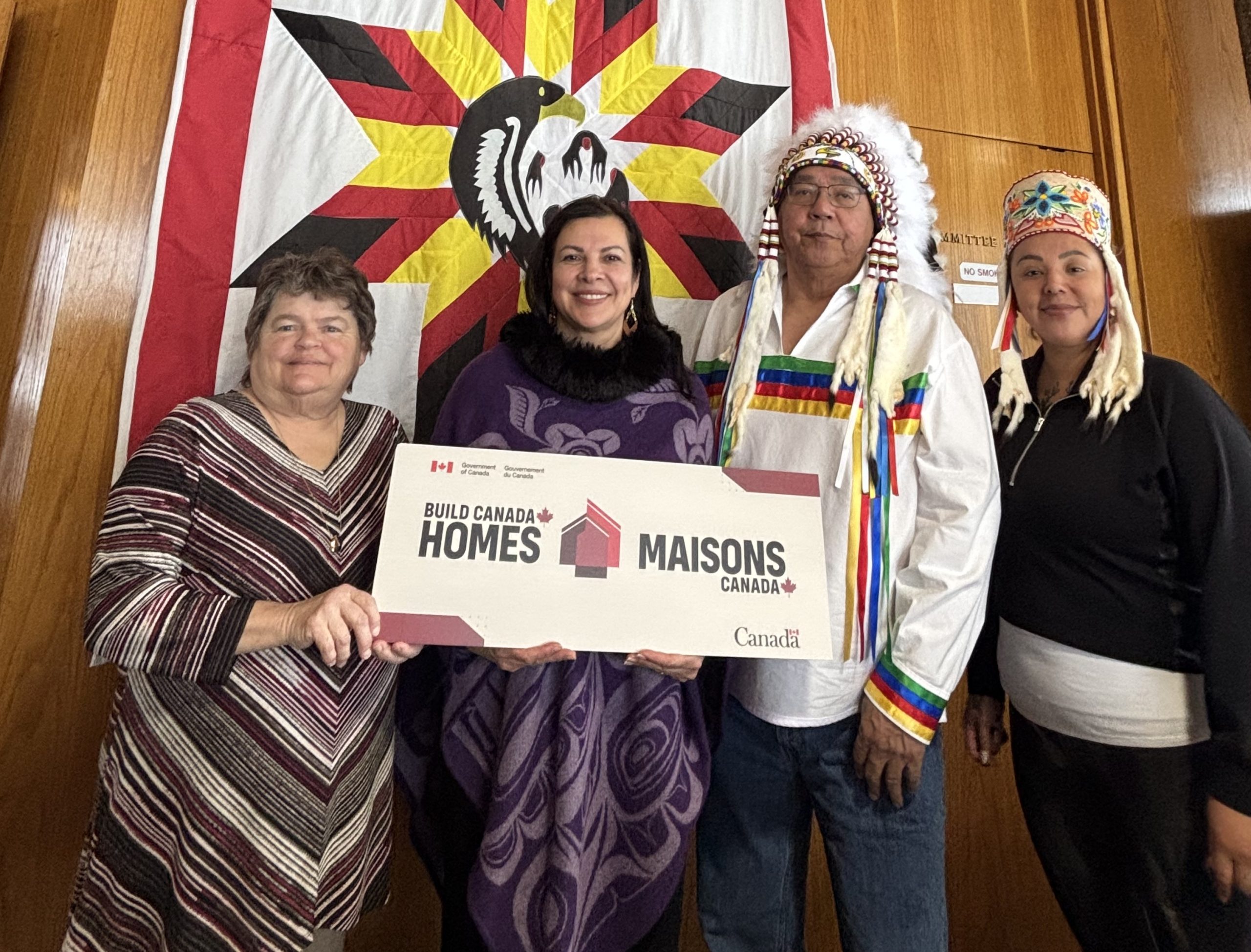
In Thompson, 67 homes are being made safer and more accessible for elderly residents and people with disabilities. Working alongside Keewatin Tribal Council, we’re ensuring that seniors and residents with mobility challenges can move safely in their own homes—whether that means installing ramps or modifying units so wheelchairs can move freely through doorways and hallways.
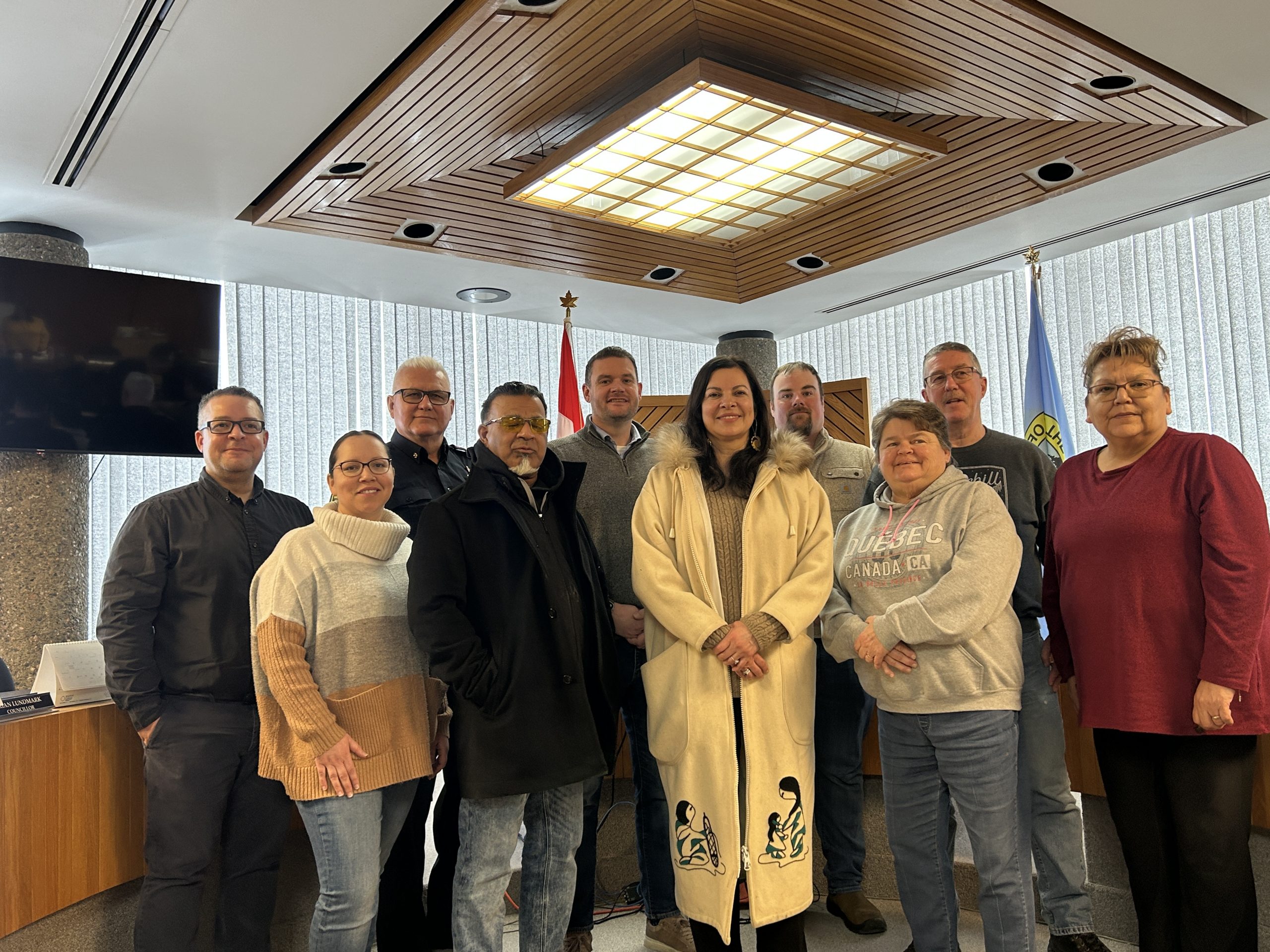
This funding is also helping Cross Lake Band of Indians build a 14-bed women’s shelter, and supporting Fisher River Cree Nation in creating five transitional housing units for families working toward stable, long-term housing.
Miigwech · Kinana’skomitin · Pidamaya ye · Mahsi cho · Nakurmiik · Merci · Thank you