I travelled to Dauphin, Swan River, and the Municipality of Swan Valley West to stand with the communities facing the impact of devastating flooding — and to hear directly from the leaders carrying their communities through it.
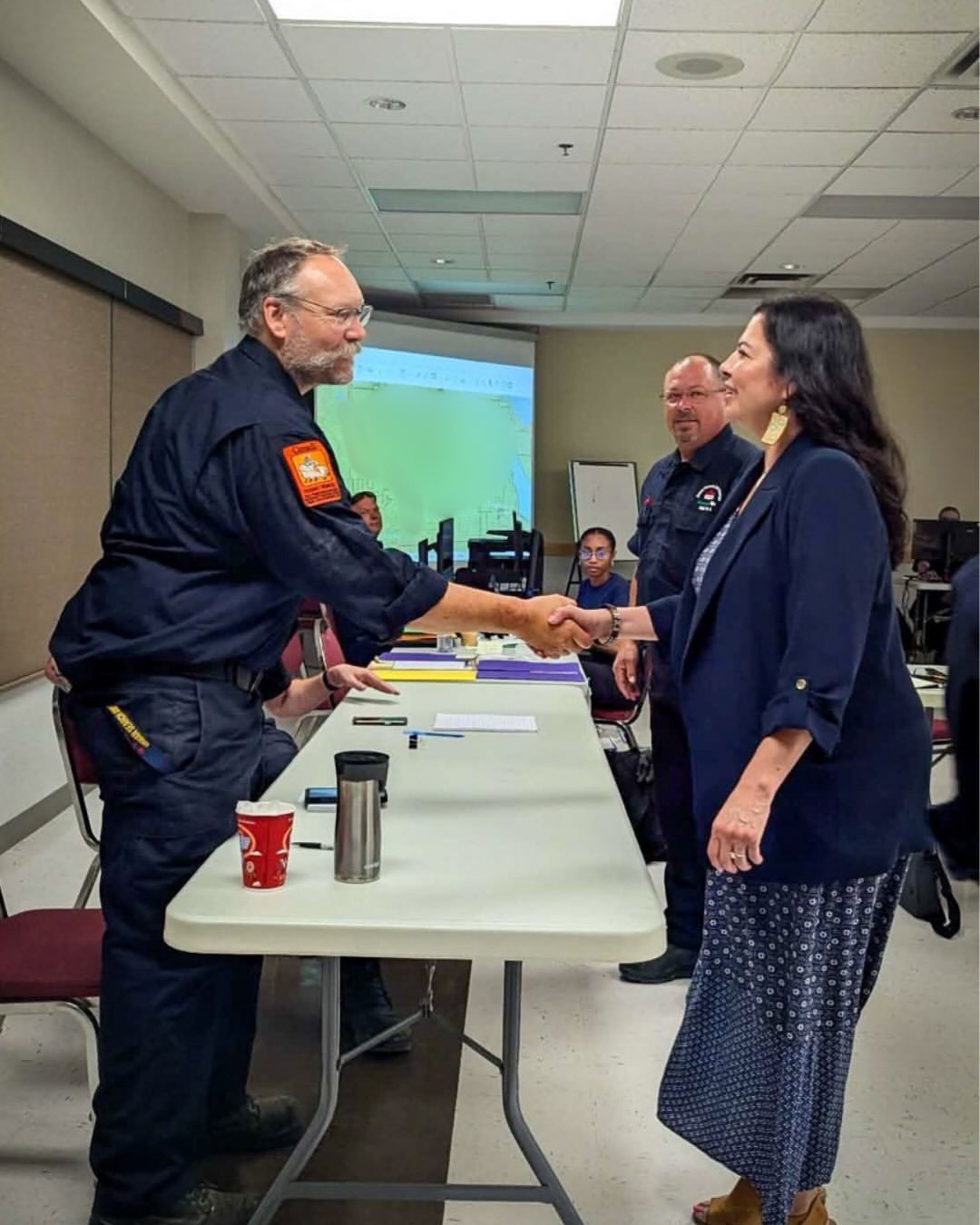
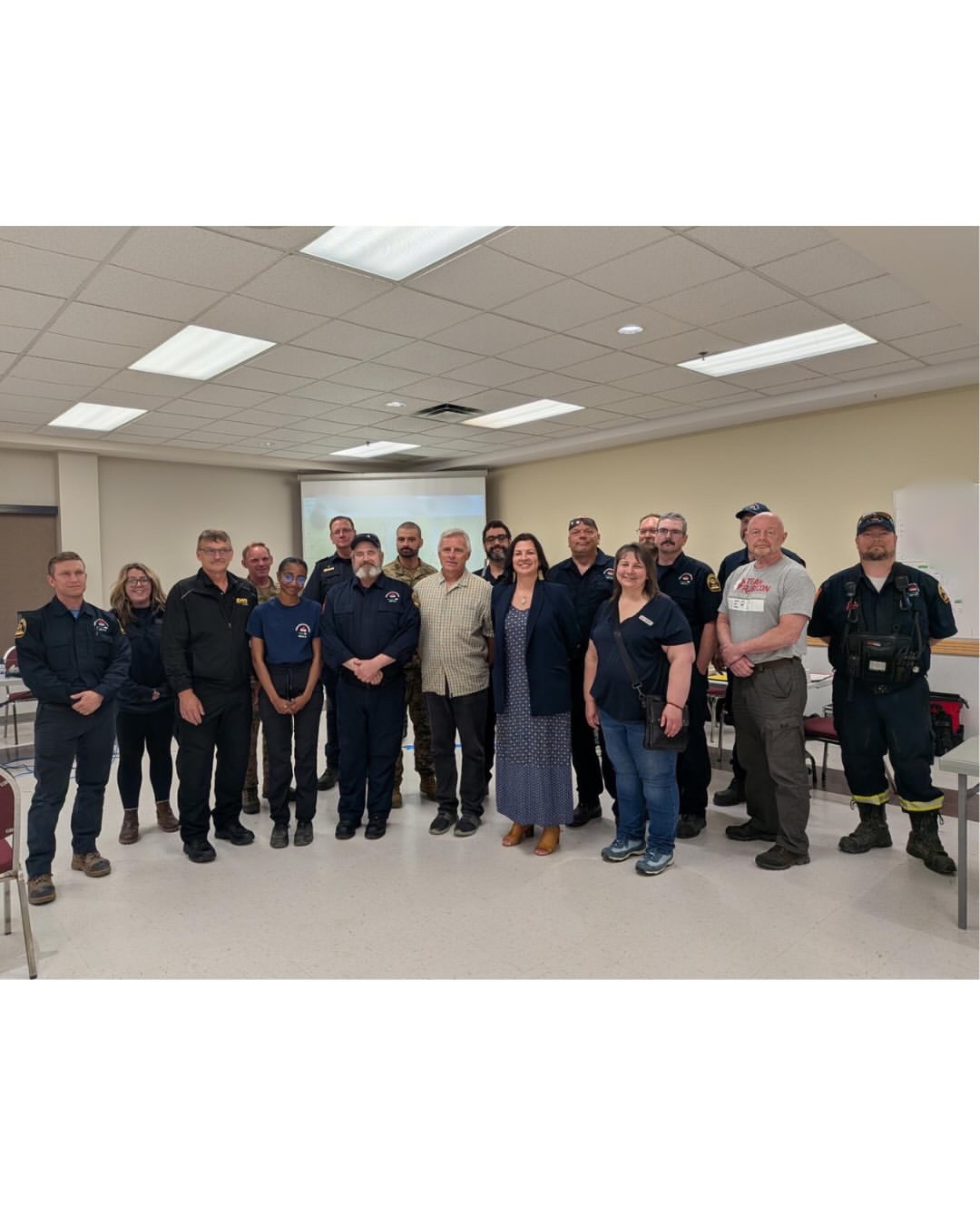
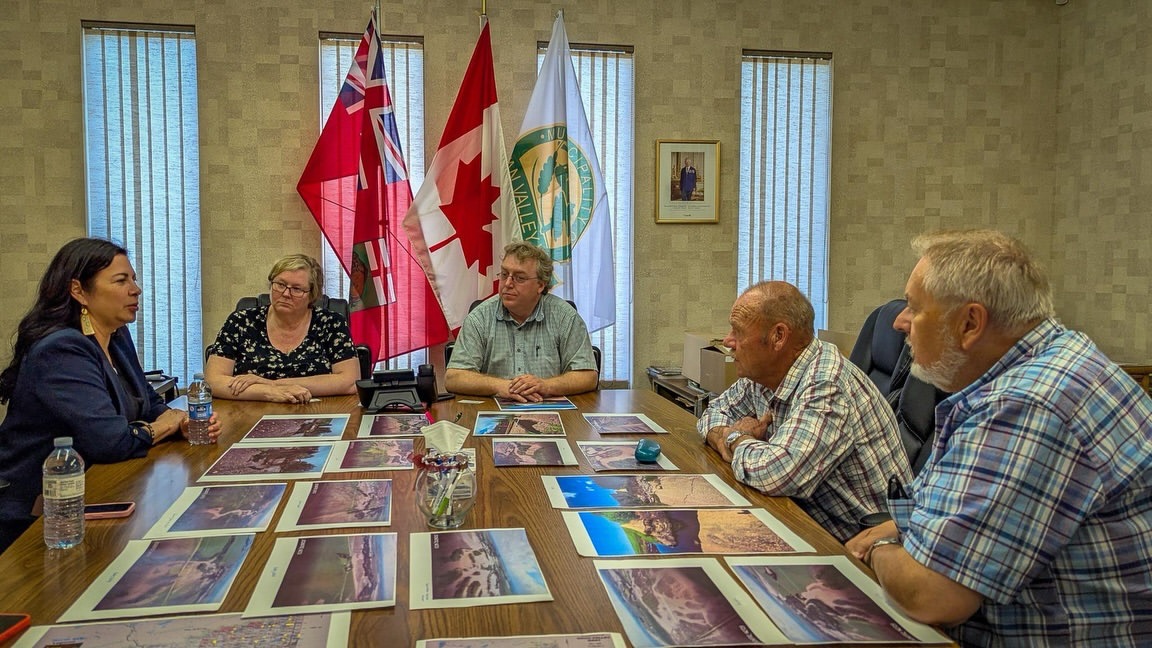
In Dauphin, I met with Mayor David Bosiak, City Manager Sharla Griffiths, and the Manitoba Incident Management Team at the Unified Command Centre. The scale of coordination required to manage a flood emergency of this size was evident — and the professionalism of everyone at that table was remarkable.
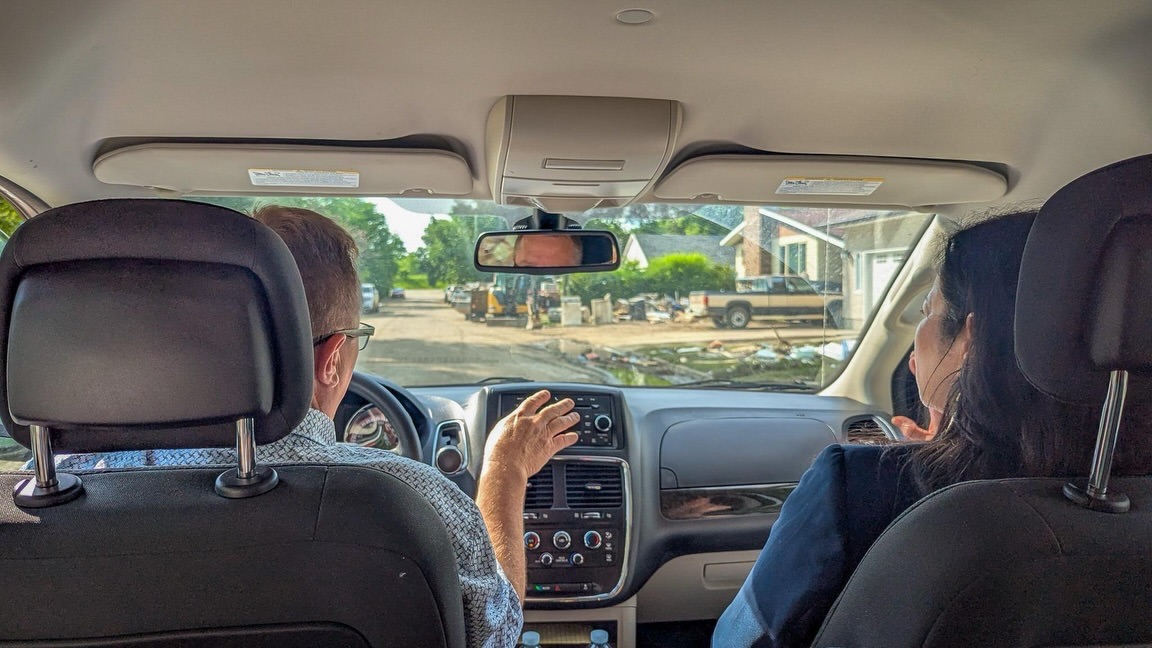
In Swan River, Mayor Lance Jacobson and Councillor Tanya Powell walked me through the impacted neighbourhoods, Legion Park, and the Veterans Community Hall — where local services have been brought together to support residents who have been displaced or affected. Standing in those neighbourhoods and seeing the waterline marks on people’s homes made the crisis real in a way that no briefing note can.
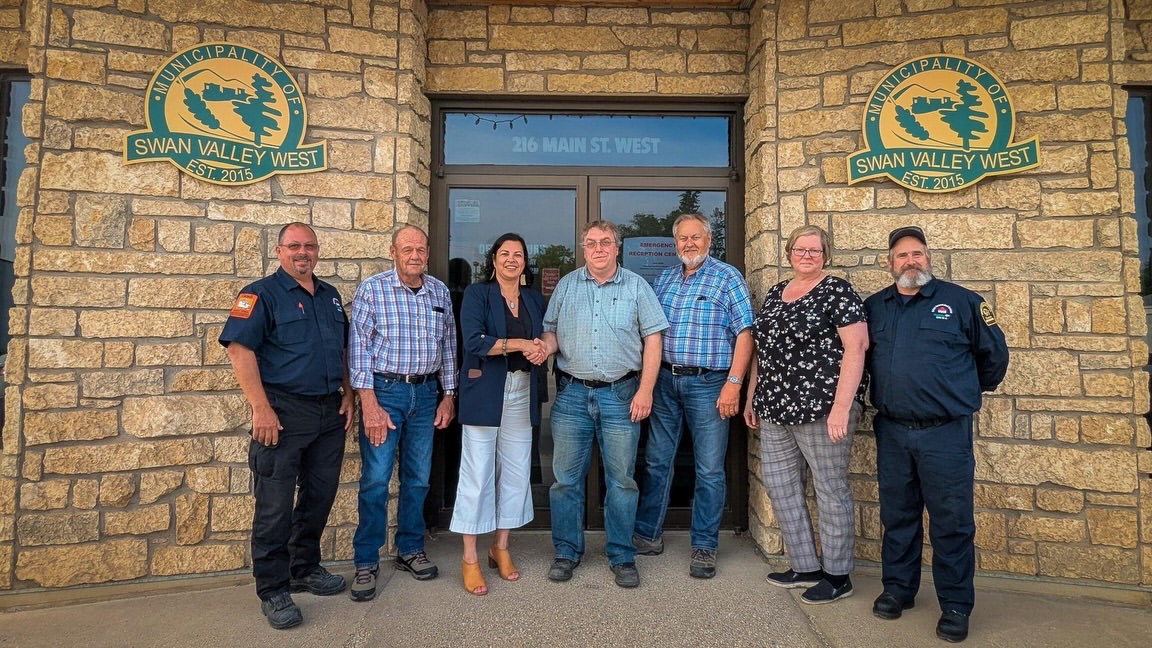
In Swan Valley West, Reeve Bill Gade, Deputy Reeve Brian Burick, Councillor Terry Neely, and CAO Kristi Ronnquist shared the full scale of the challenges their community is facing. These are elected leaders doing everything they can for their residents with the resources available to them.
My heart goes out to everyone affected. I want to acknowledge the tireless work of the first responders, CAF members, Team Rubicon, the Manitoba Disaster Response Team, and the Mennonite community members who have been preparing and donating meals for those in need. That kind of community solidarity — people showing up for strangers — is what Manitoba has always been.
The federal government has a role to play in flood emergency support, in recovery funding, and in the long-term infrastructure investments that reduce the risk of these events recurring. I am committed to making sure that role is fulfilled — not just during the crisis, but through every stage of recovery.
We are a gifted province with so much potential. And when we bring that energy to the national table, great things happen.
In April, Manitoba’s business and economic development leaders were in Ottawa — building the relationships that will shape a prosperous future for our province and our country. It was exactly the kind of engagement that northern Manitoba needs to be part of, and I was proud to be in the room.
Churchill–Keewatinook Aski sits at the intersection of some of the most significant economic opportunities in Canada. Critical minerals. The Port of Churchill. Boreal resources. Tourism anchored in world-class wilderness and Indigenous cultural experiences. A workforce with deep northern knowledge and an entrepreneurial spirit that does not wait for permission.
But potential alone does not build prosperity. It takes relationships. It takes presence at the tables where decisions are made. And it takes a federal government that understands the North is a partner in Canada’s economic future.
The conversations that happened in Ottawa in April were about exactly that. Aligning Manitoba’s priorities with federal investment. Building the connections between northern business leaders and the national networks that can amplify what this province is already doing. Making the case — clearly and persistently that Manitoba’s north is not a peripheral story. It is central to Canada’s economic ambitions.
Manitoba is stepping up to advance Canada’s economic, trade, and national priorities. The North is part of that story. And this office will keep making sure it stays that way.
We are just getting started.
Miigwech · Kinana’skomitin · Pidamaya ye · Mahsi cho · Nakurmiik · Merci · Thank you
Last summer’s wildfire season had devastating impacts across northern Manitoba. While we cannot prevent every fire, we can strengthen coordination, preparedness, and our ability to protect lives.
In Thompson, I met with City Council to discuss evacuation planning, emergency communications, and the critical supports needed for Thompson as a hub community that receives evacuees from across the region.
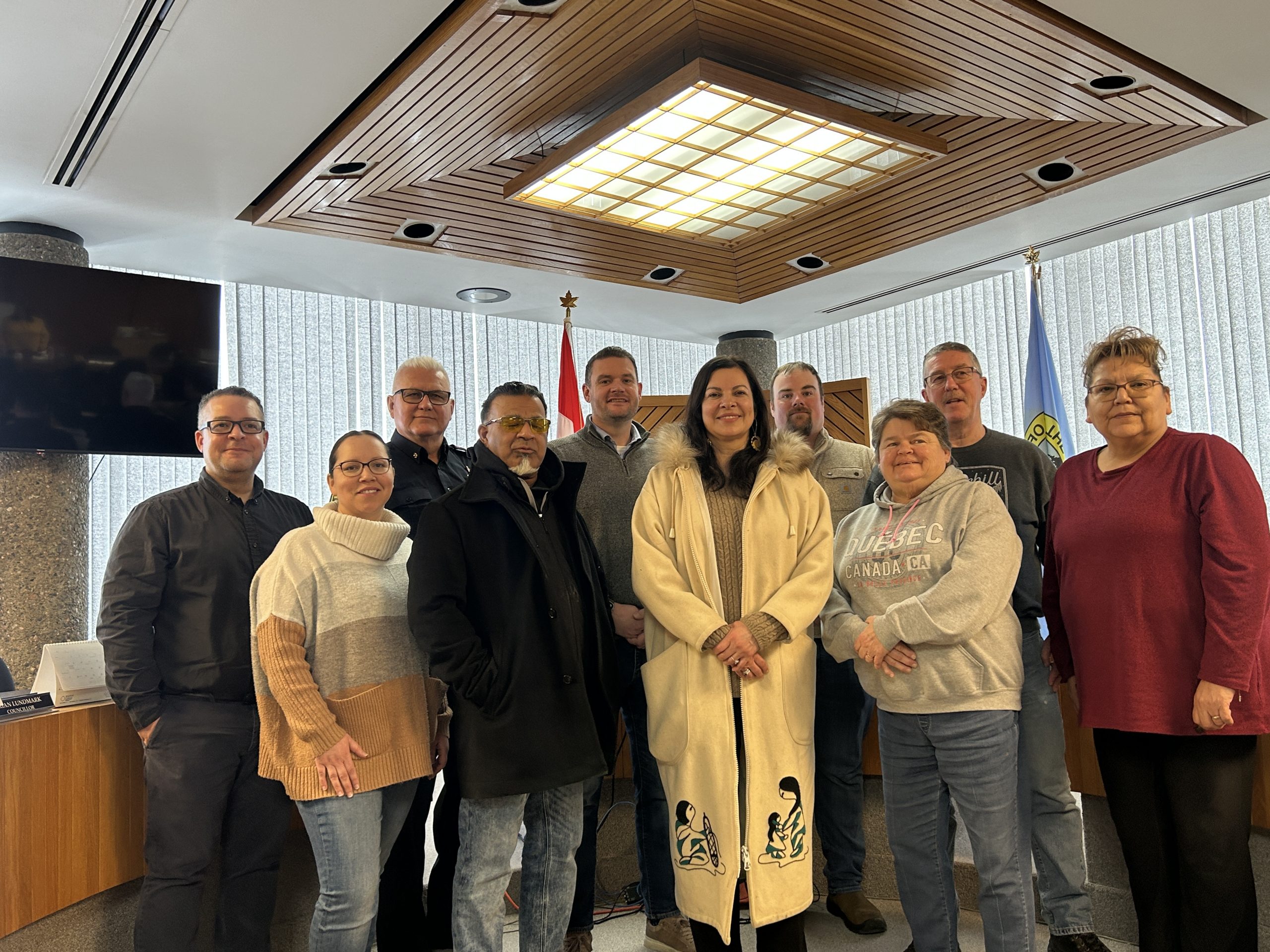
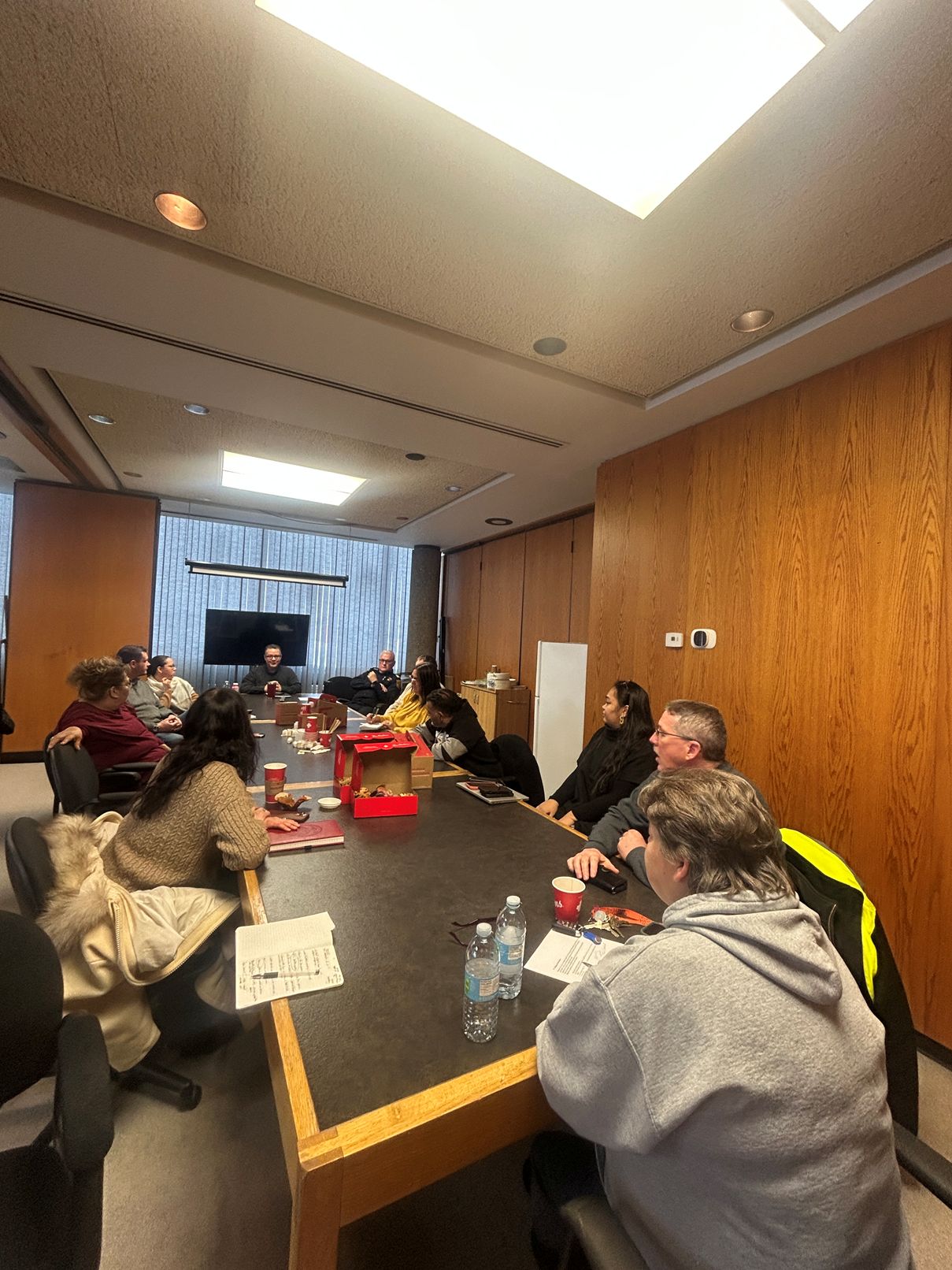
I met with community office holders to discuss operational and administrative challenges they’re facing, the kind of bottlenecks that slow things down and make it harder to serve residents. We talked about how the federal government can help remove those barriers.
We also discussed wildfire preparedness and how to ensure smooth operations during the summer fire season. Last year showed us how devastating wildfires can be for northern communities. Planning ahead isn’t optional, it’s essential for keeping people safe and minimizing disruption when fires threaten.
By working together, we can build a more resilient northern Manitoba.
I was at the Northern Leadership Roundtable, Thompson- where I joined Premier Wab Kinew, MP Terry Duguid, and Provincial Ministers Bushie and Minister Kennedy at the Northern Leaders Roundtable, hosted at Thompson Regional Community Center, Thompson discussing economic opportunities that include and benefit Indigenous communities. We talked about infrastructure needs, economic development opportunities for Manitobans.
When provincial, federal, and community leaders sit down together, we can deliver results for communities.
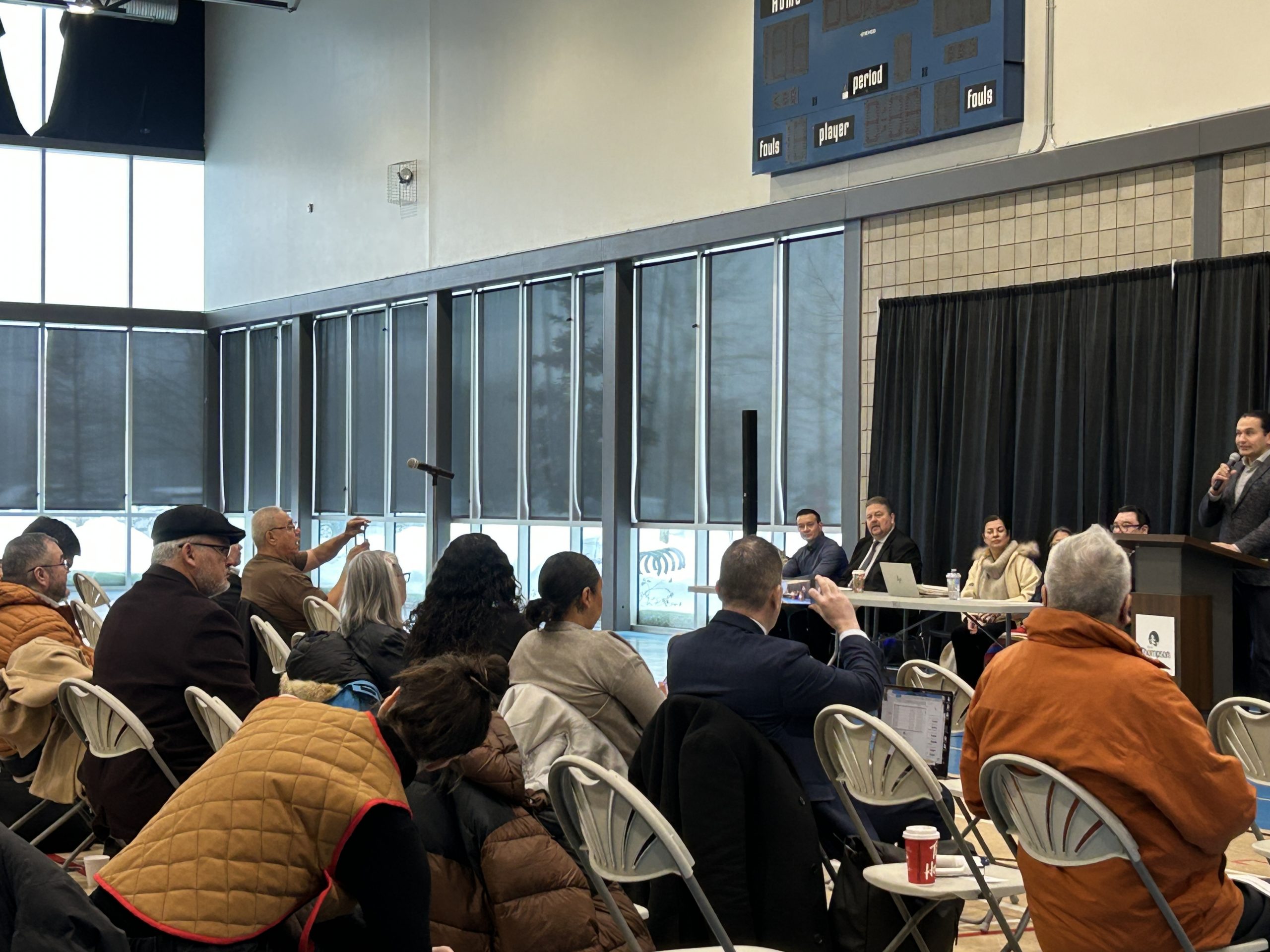
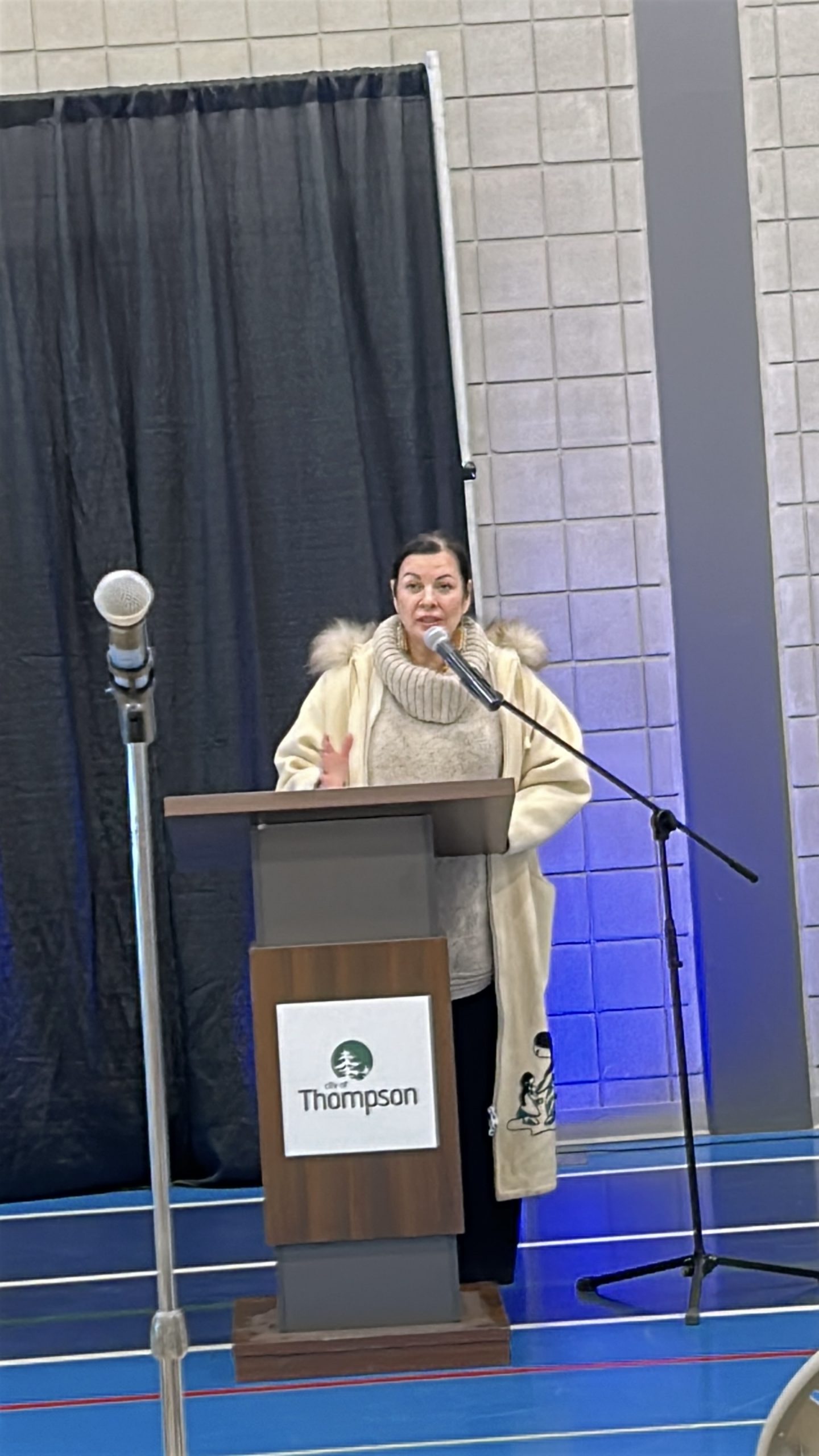
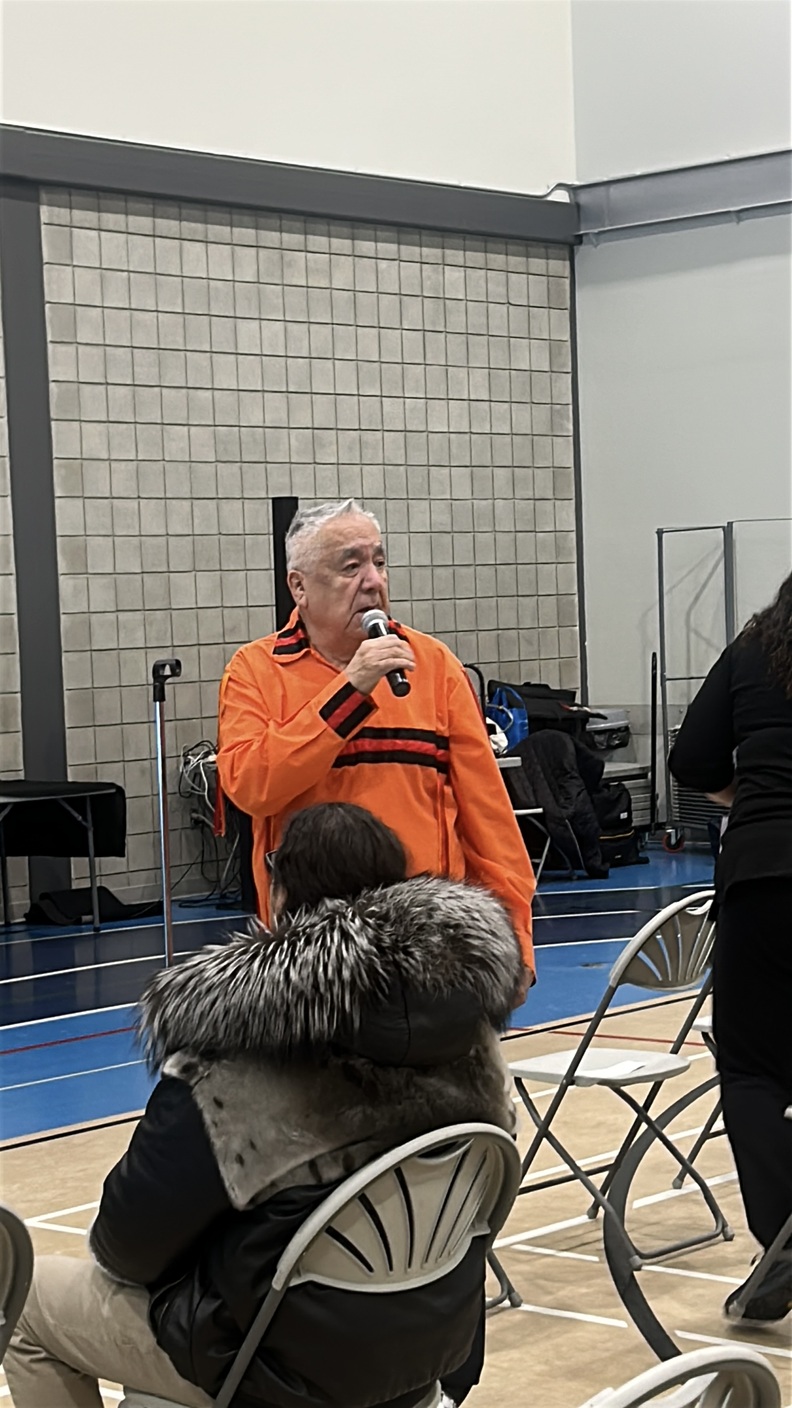
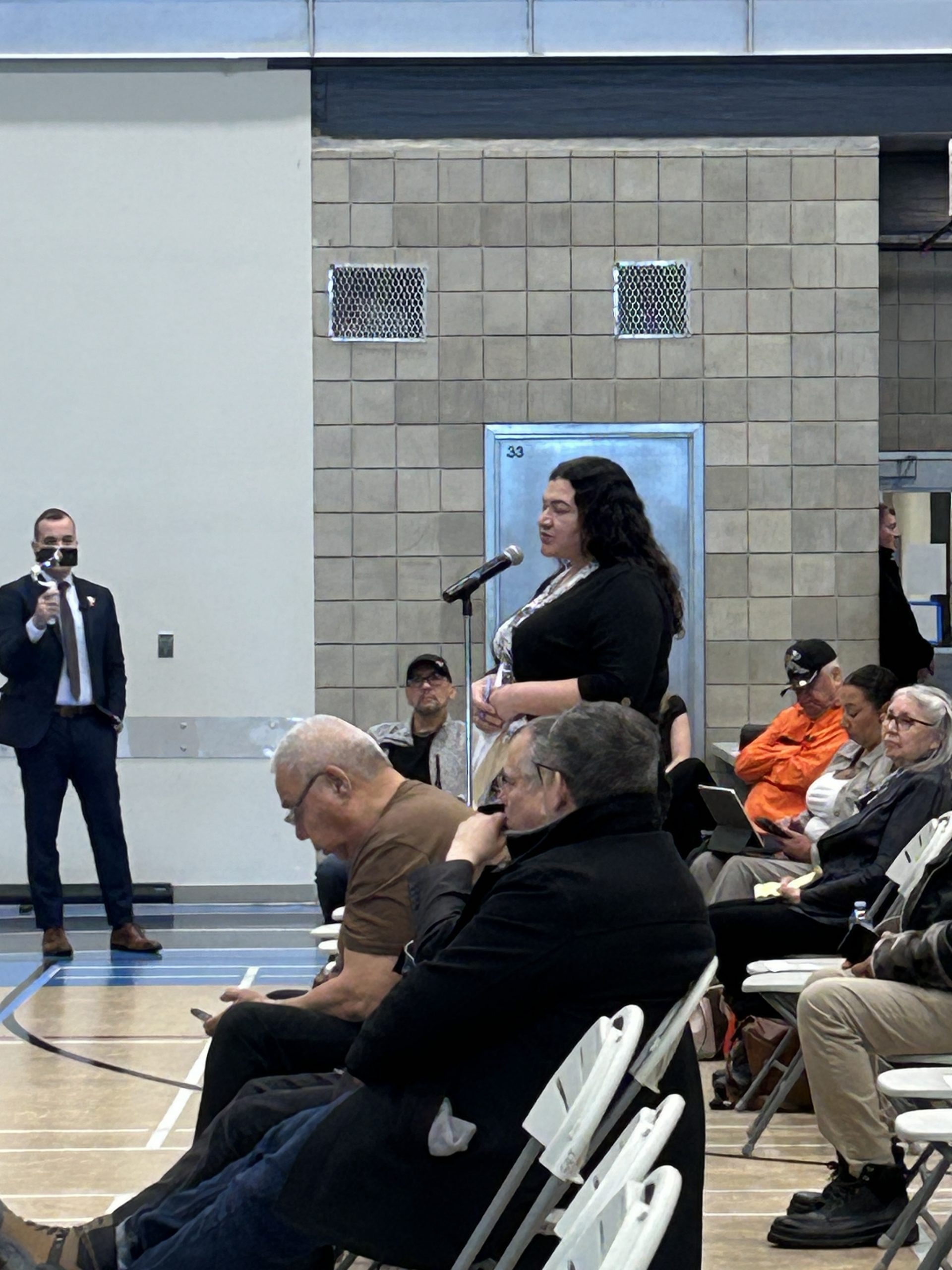
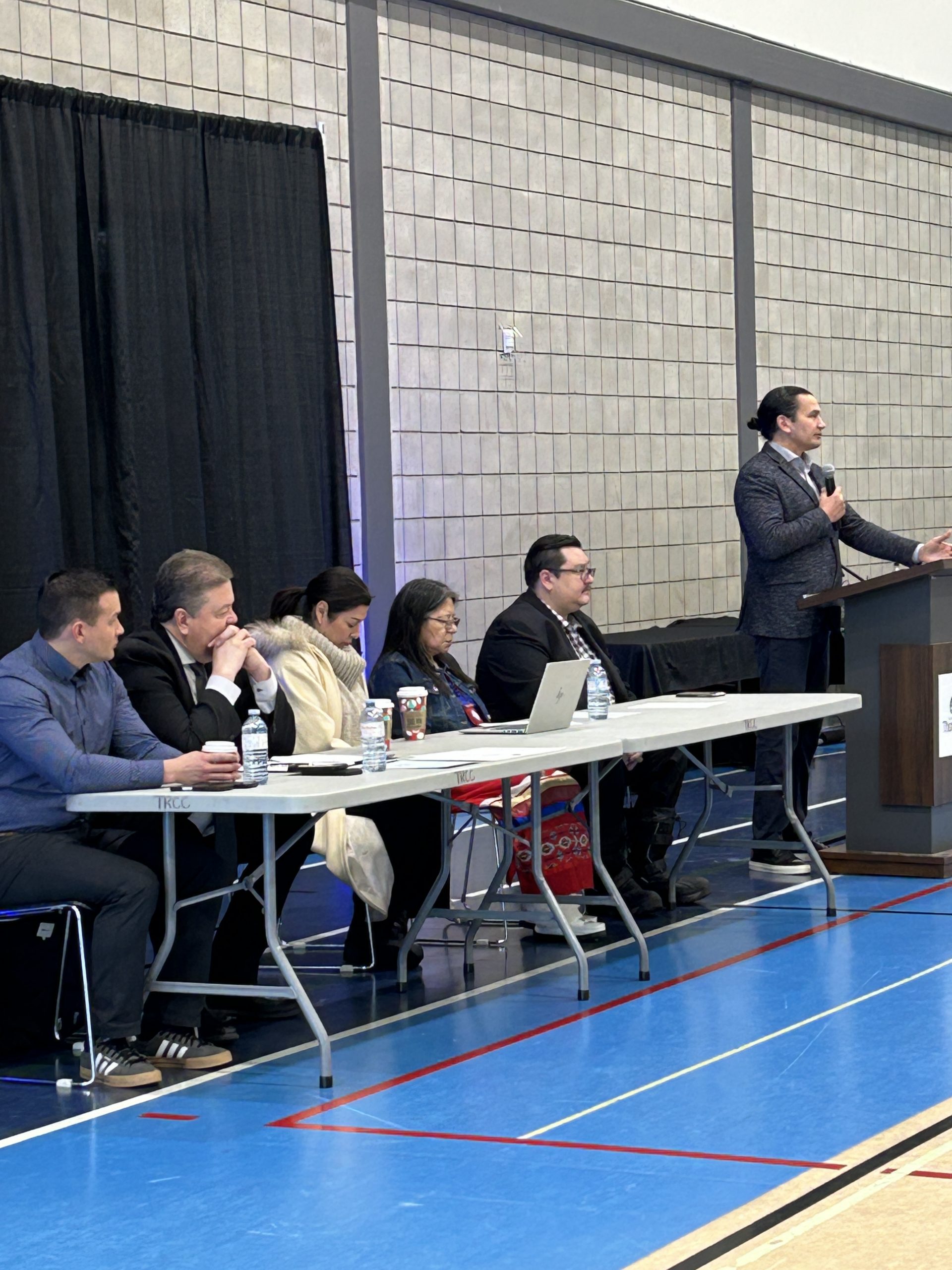
- I joined federal ministers, Grand Chief Garrison Settee, Chief David Monias, and the Cross Lake Council in Pimicikamak to see firsthand the aftermath of the power crisis that devastated this community over the new year. We had a serious roundtable discussion on action plans to ensure this never happens again – not just in Cross Lake, but in any of our northern communities.
This included representatives from:
- Federal Ministry of Northern and Arctic Affairs
- Indigenous Services Canada (ISC)
- MKO Leadership
- Pimicikamak Cree Nation Leadership
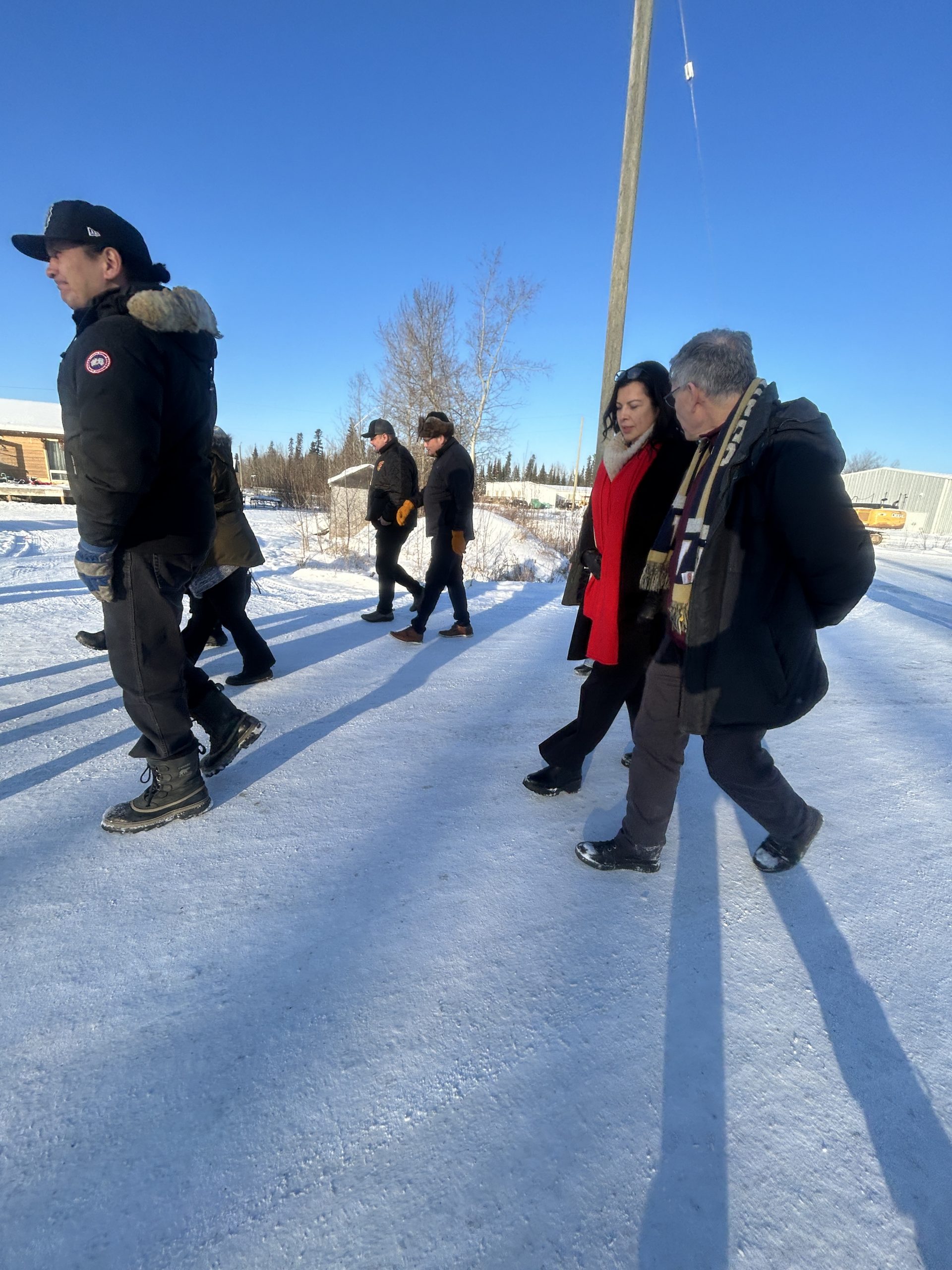
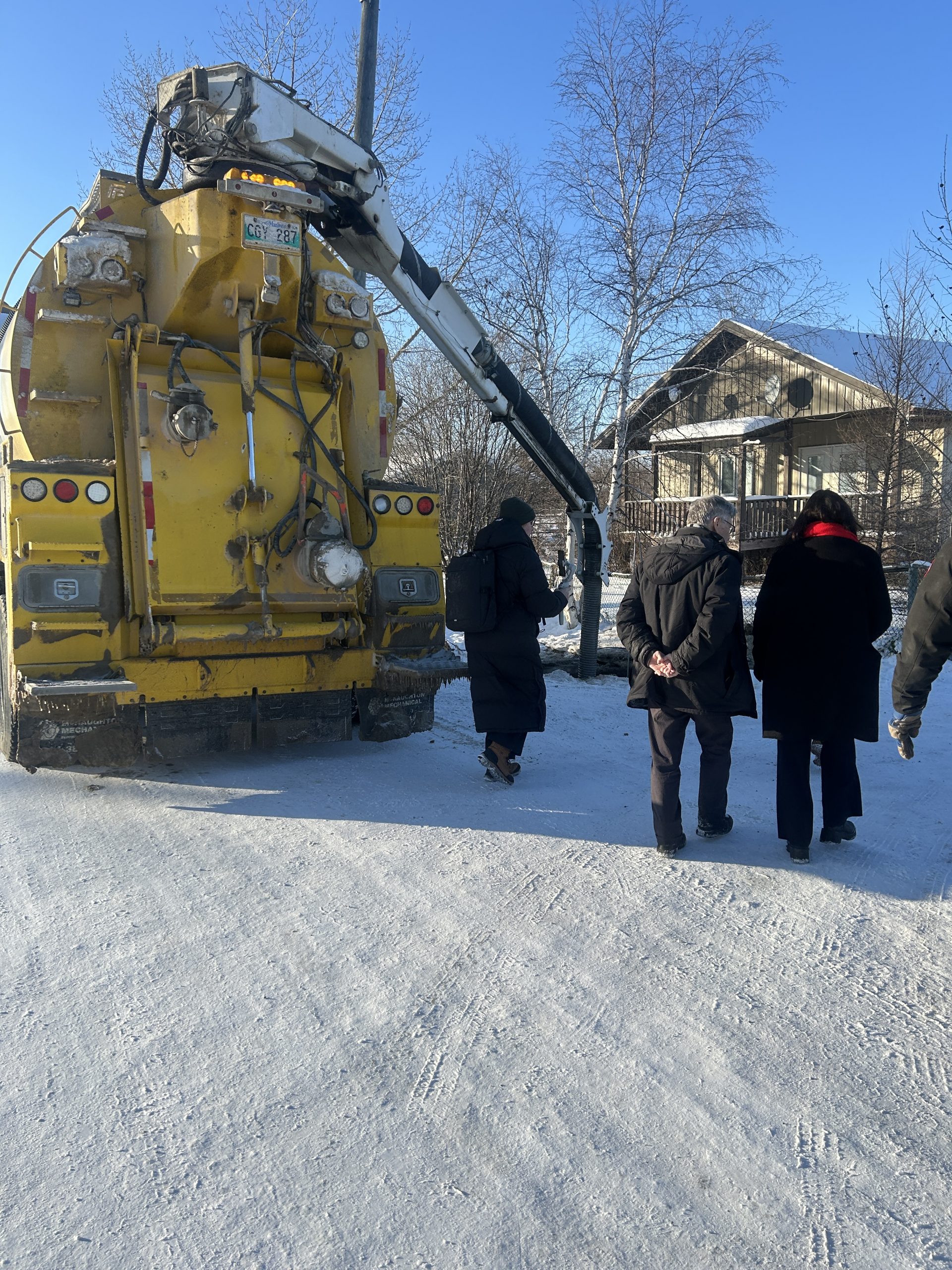
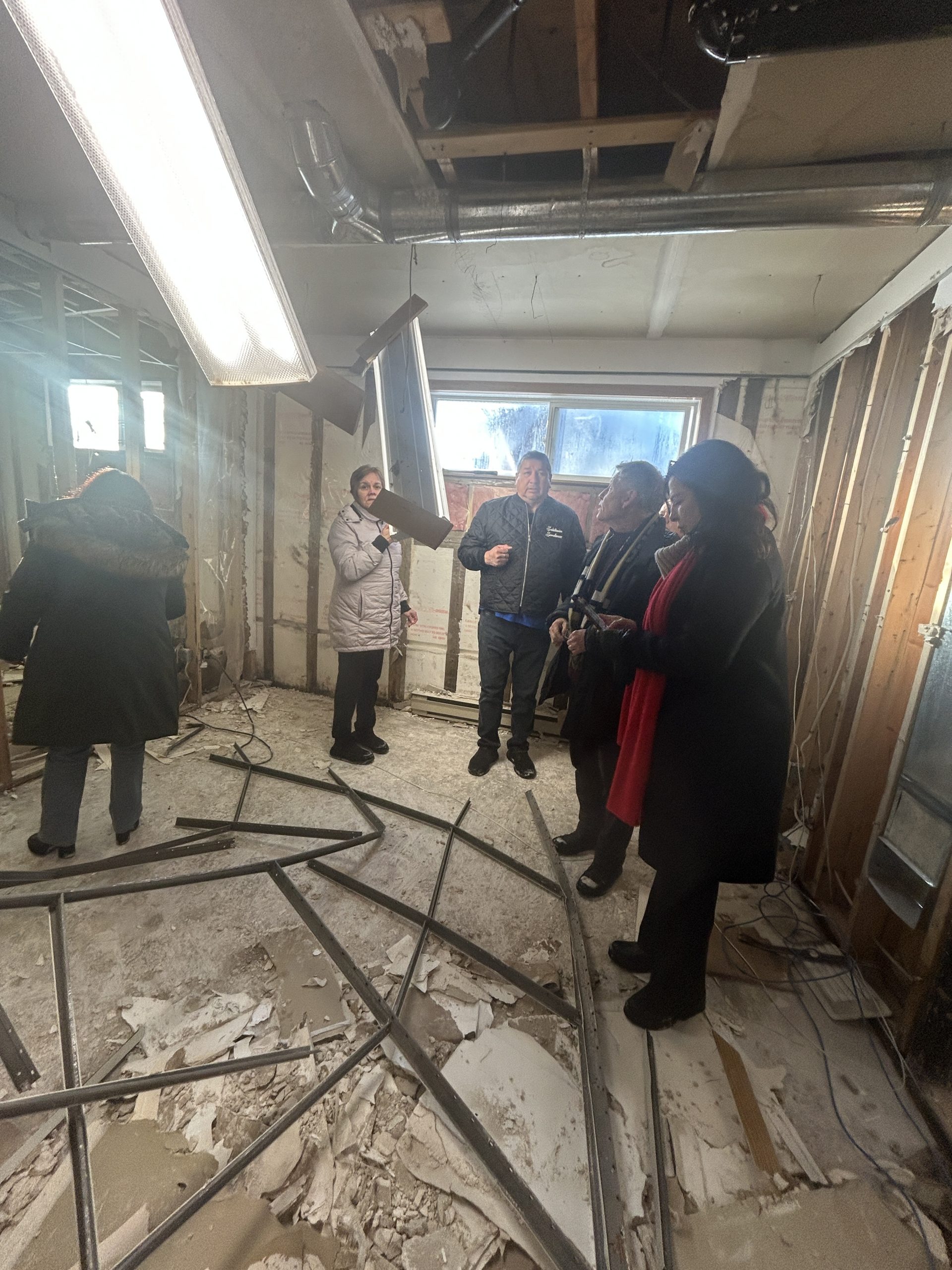
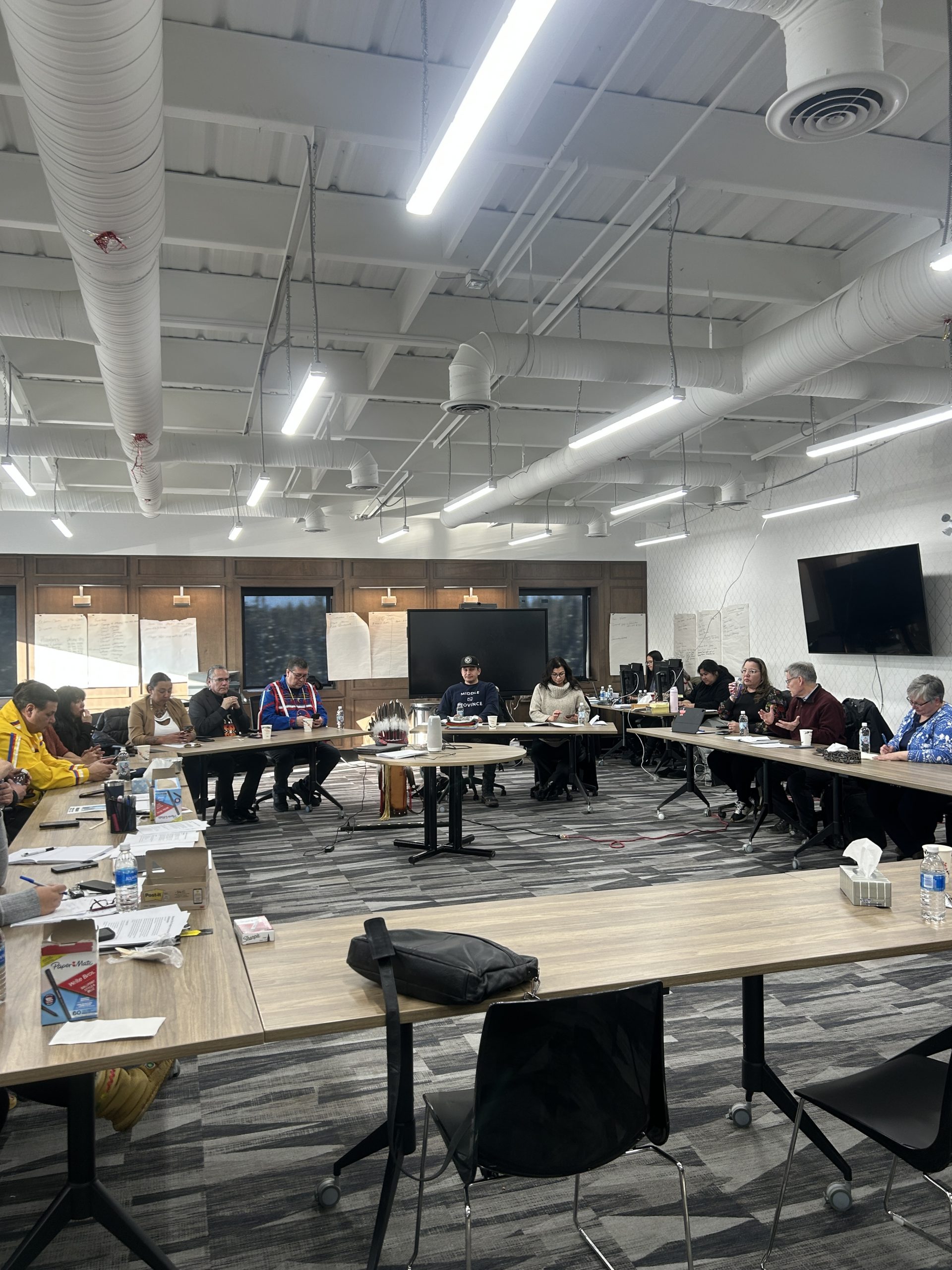
Thank you for allowing us into your community during this difficult time. Your strength and resilience are remarkable, but you shouldn’t have to be this strong. You deserve infrastructure that works, and leadership that shows up when you need them. I’m committed to making sure the conversations we had result in real change. Migwetch to Chief Monias and the Council for your leadership during this crisis and for hosting us and being resilient in these times.
#CrossLake #Pimicikamak #ChurchillKeewatinookAski


