


This summer, Ottawa was host to the Assembly of First Nations Annual General Assembly — and I was honoured to be in the room.
I joined colleagues Minister Gull-Masty, Minister Anandasangaree, and Secretary of State Belanger at the AFN AGA ministerial panel to listen to First Nations leaders from coast to coast to coast. I am grateful to National Chief Cindy Woodhouse Nepinak for her leadership, and to the grand chiefs, chiefs, councillors, Elders, youth, and community members who gathered in Ottawa this year.
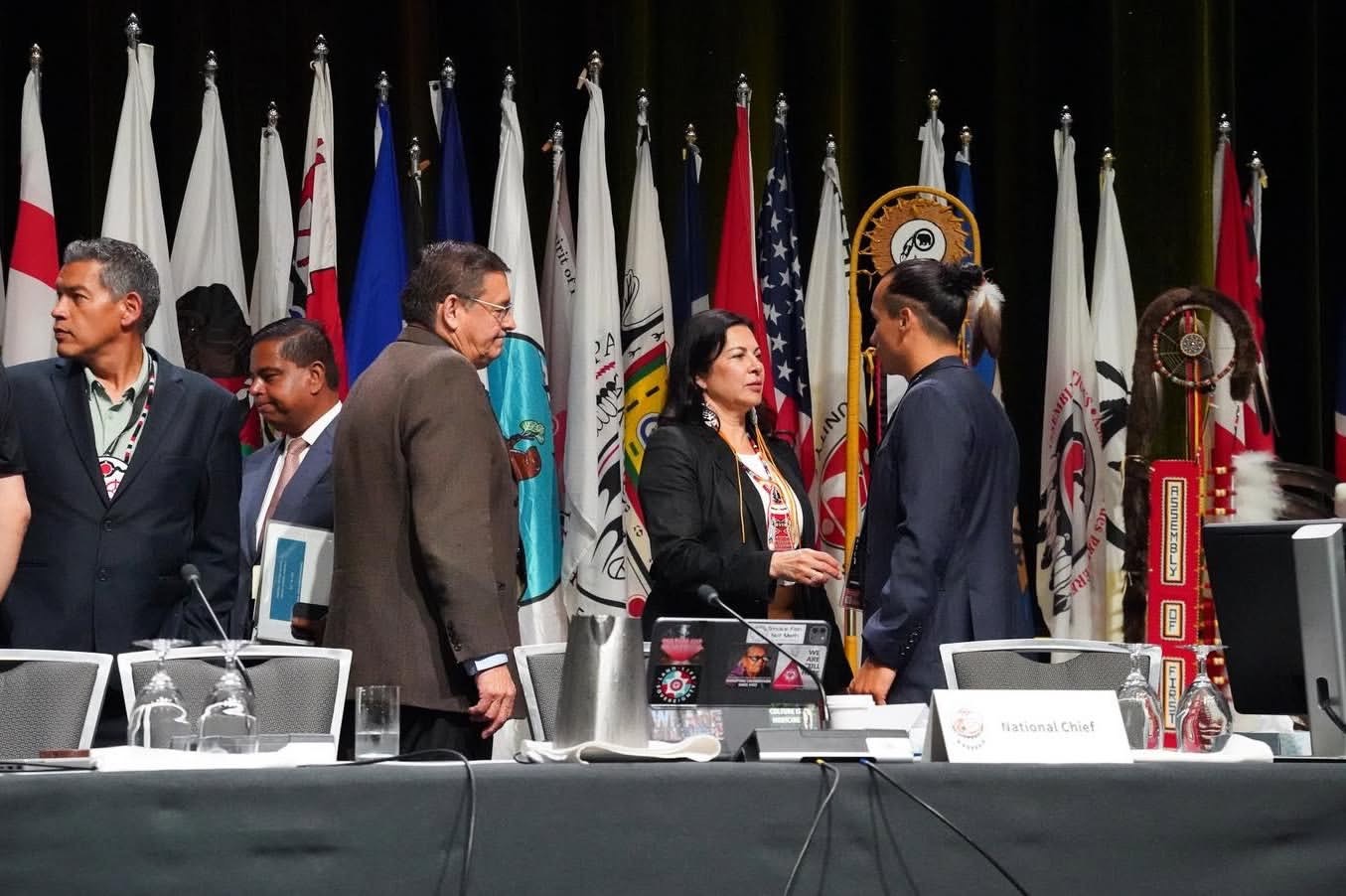
I want to especially recognise two Manitoba leaders who rose to the mic: Chief David Monias of Pimicikamak Cree Nation, and Brennan Manoakeesick, Director of Intergovernmental Affairs at Manitoba Keewatinowi Okimakanak. Both spoke with clarity, conviction, and authority on behalf of their communities — and I am proud that Manitoba’s northern First Nations were heard at the national table.
One of the most significant conversations at the AGA centred on food sovereignty and northern food systems. We talked about strengthening Nutrition North Canada and heard that the Harvesters Support Grant, Food Security Research Grant, and Community Food programmes are succeeding — precisely because they are rooted in local traditions and knowledge systems. That is the model. Federal programmes that are built with Indigenous communities, not handed to them.
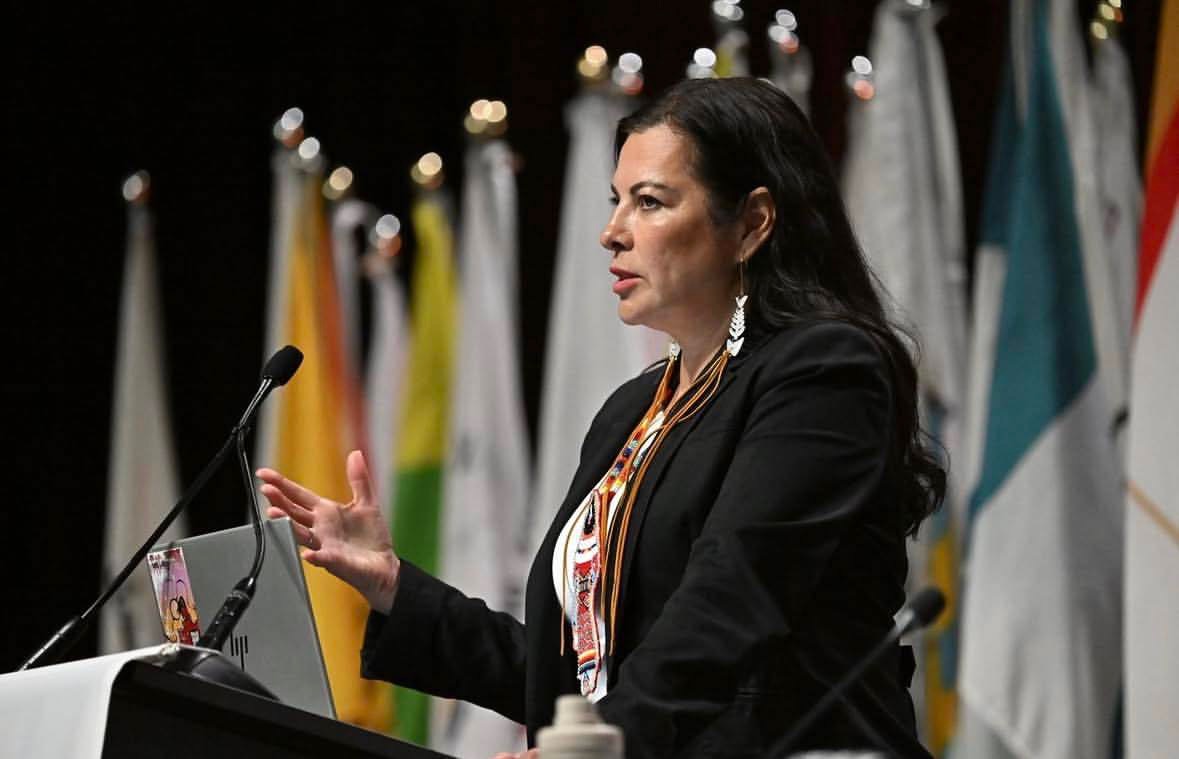
For generations, First Nations, Inuit, and Métis people have cared for these lands. That truth should shape every decision we make about the future of the North. The AFN AGA is one of the most important forums in Canada for holding governments accountable to that principle — and I left Ottawa more committed than ever to carrying northern Manitoba’s voice into every federal conversation.
We are a gifted province with so much potential. And when we bring that energy to the national table, great things happen.
In April, Manitoba’s business and economic development leaders were in Ottawa — building the relationships that will shape a prosperous future for our province and our country. It was exactly the kind of engagement that northern Manitoba needs to be part of, and I was proud to be in the room.
Churchill–Keewatinook Aski sits at the intersection of some of the most significant economic opportunities in Canada. Critical minerals. The Port of Churchill. Boreal resources. Tourism anchored in world-class wilderness and Indigenous cultural experiences. A workforce with deep northern knowledge and an entrepreneurial spirit that does not wait for permission.
But potential alone does not build prosperity. It takes relationships. It takes presence at the tables where decisions are made. And it takes a federal government that understands the North is a partner in Canada’s economic future.
The conversations that happened in Ottawa in April were about exactly that. Aligning Manitoba’s priorities with federal investment. Building the connections between northern business leaders and the national networks that can amplify what this province is already doing. Making the case — clearly and persistently that Manitoba’s north is not a peripheral story. It is central to Canada’s economic ambitions.
Manitoba is stepping up to advance Canada’s economic, trade, and national priorities. The North is part of that story. And this office will keep making sure it stays that way.
We are just getting started.
Miigwech · Kinana’skomitin · Pidamaya ye · Mahsi cho · Nakurmiik · Merci · Thank you